Many dealers want to sell mini excavators. Many also fear a wrong size choice. A wrong choice traps cash in slow stock.
A 0.8 ton mini excavator fits tight spaces and low budgets. A 1.5 ton unit covers most daily jobs. A 2 ton machine targets serious contractors. The best size depends on your buyers, project types, price level and service strength.
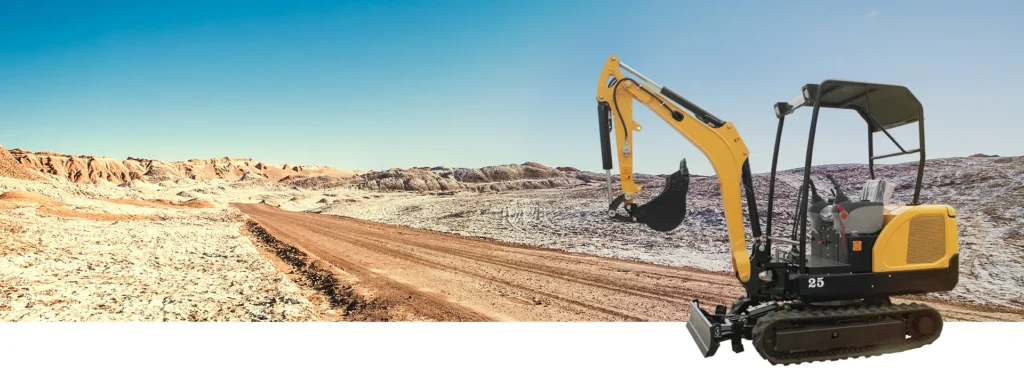
At Torchuck, we supply all three sizes. We also track global trade data for mini excavators. In this article, we share what we see in customs data and in real orders, then we link this insight to our 08, 15 and 25 models. Our goal is simple. We want to help you pick a size mix that moves fast, not a mix that collects dust in the yard.
What our customs data tells us about mini excavator demand?
Torchuck studies several years of export customs data from China for mini excavators under HS code 84295212. The data covers many countries and many shipment types. The records do not show exact tonnage for each machine. The records still give clear signals. We can see which countries buy more units, how many units ship in each invoice, and what the average export price looks like in each region.
When we group the data by country, we see a pattern. Some markets import many small shipments with only a few machines in each invoice. These markets often stand at an early stage. Local buyers test mini excavators in gardens, farms or small repair jobs. Dealers in these places need flexible stock. Low entry cost matters more than high power. A 0.8 ton or 1.5 ton machine often fits this phase. Other markets import large batches per shipment. Rental fleets and established contractors drive these orders. Average export price in those countries sits much higher. Buyers pay for cabins, branded engines, pilot controls and stronger frames. A 2 ton class machine sits in this zone. When we focus on average price per unit, we see a wide spread. Some countries stay close to the basic price of a simple open machine. Others sit near the level of a full option 2 ton unit. As a dealer you can read this signal. If most imports in your country show low average price, you know that the market still values basic, smaller units. If the average price stays high, the market already accepts more advanced machines. Our customs data does not tell you “0.8 vs 1.5 vs 2 ton” directly. It still tells you which group your country belongs to, and that shapes your size strategy.
Where a 0.8 ton mini excavator like Torchuck 08 works best?
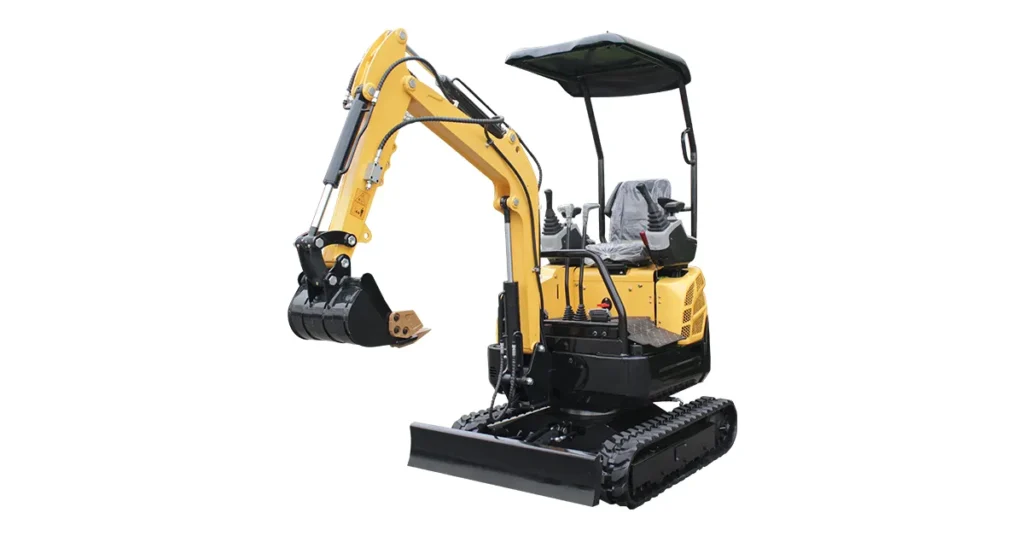
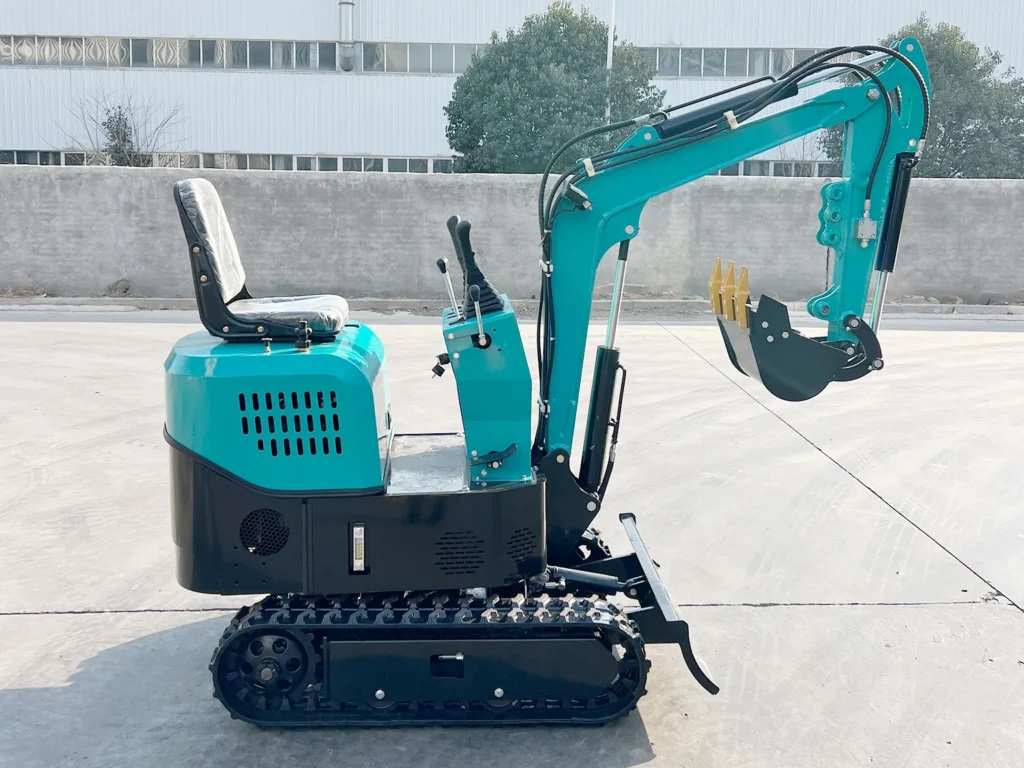
Torchuck 08 stands in the 0.8 ton class. The machine weighs about 700 kg. It uses a simple Chinese 192 diesel engine. It runs on narrow rubber tracks. It uses basic mechanical controls. We design it as a compact tool for very tight spaces and light work.
The 0.8 ton segment speaks to buyers who want a first taste of mechanised work. Many of them come from gardening, small landscaping and farm work. They may own pickup trucks or small trailers. They do not want to pay for special transport. A 700 kg machine solves this problem. It loads quickly. It passes through narrow gates and small yards. Torchuck 08 also keeps the structure simple. This choice lowers the price. It also makes service easier in remote areas. Local workshops can understand the machine. They do not need complex diagnostic tools. For a dealer, this size offers another key benefit. One container can hold many 0.8 ton units. This structure spreads your risk across more customers. You can give some machines to rental fleets, some to small contractors, some to resellers. If you work in a price-sensitive country where average customs unit price sits on the low side, this class fits current buying power. You can market Torchuck 08 as an “entry machine” that opens the door to cash income for small teams that still work with shovels today.
Why many markets treat 1.5 ton mini excavators like Torchuck 15 as the main volume?
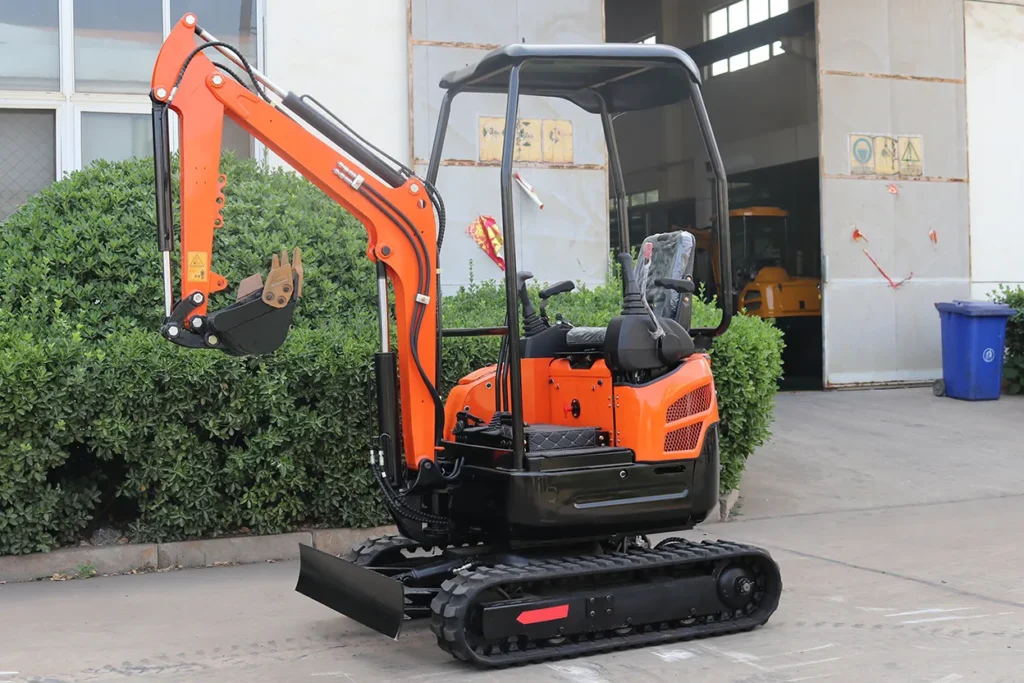
Torchuck 15 belongs to the 1.5 ton class. The operating weight is around 1,100 kg. It uses a twin-cylinder diesel engine. The tracks are wider than on the 0.8 ton unit. The undercarriage stands stronger. The controls stay mechanical to protect the price level.
The 1.5 ton class sits in the centre of the mini excavator business. For many job types, this size feels “just right”. It is clearly stronger than 0.8 ton machines. It lifts more material in each bucket. It reaches deeper trenches. It stays stable when it works near house walls or on small slopes. At the same time, it remains compact. Small trucks can still move it with simple ramps. In our customs data, we see that many countries with active construction but modest income levels import a large share of units that match this cost range. Contractors in these markets want a serious machine, yet they cannot jump straight to 2 ton class prices. Rental fleets also like this size. They can rent it to landscape firms, plumbers, electricians and small builders without complex training. For you as a dealer, Torchuck 15 can become your core model. You can let customers test 08, then move them up to 15 once they trust the business. You can combine 15 with a limited number of 25 units to give a clear step-up option. This pattern lets you use one main parts stock, one main training program, one main marketing message.
When a 2 ton mini excavator like Torchuck 25 creates real value?

Torchuck 25 sits in the 2 ton range. The operating weight is about 2,000 kg. It uses a three-cylinder diesel engine. It can use pilot controls with hydraulic joysticks. The frame, boom and arm use stronger steel. The machine stands on a wider undercarriage.
A 2 ton mini excavator changes the type of customer that you attract. The machine no longer looks like a tool for part-time work. It looks like a key asset for a full-time contractor. Torchuck 25 can dig deeper foundations. It lifts heavier pipes. It carries a larger breaker or auger with more comfort. The operator sits in a more advanced station. The pilot control system reduces fatigue during long shifts. Many buyers in this class ask for cabins, air conditioning and branded engines with EPA or Euro V approval. The selling price moves up by a large step. In some cases, one 2 ton unit equals three or four 0.8 ton machines in value. This fact shapes your stock plan. You cannot place many 2 ton units in a new market with no rental culture or no after-sales network. The risk is too high. In markets where our customs data shows high average export price and large batch shipments, the picture changes. There, fleets already pay for quality and comfort. They need machines that work all day on heavier tasks. In such countries, Torchuck 25 can become your flagship product. It lifts your brand image as a supplier of serious equipment, not only small hobby machines.
How Torchuck suggests you choose the right mix for your market?
Size choice does not need to stay a guess. You can follow a simple process. First, compare your local situation with the customs patterns. If most imports into your country show low average unit prices and small batch sizes, treat your market as early stage. Give more weight to 0.8 and 1.5 ton units. Second, list your main buyer groups. If you sell to home owners, gardeners and very small teams, keep Torchuck 08 in stock. If you deal mainly with small contractors who already run trucks and other tools, push Torchuck 15 as their first choice. Third, review your service capacity. If you do not yet have strong technicians or fast access to branded engine parts, hold back on large numbers of Torchuck 25. Start with a few units and use them as showpieces for key clients.
You can then plan actual container mixes. For a new, price-sensitive country you might order three units of Torchuck 08, two units of Torchuck 15, one unit of Torchuck 25. This mix covers low budgets, standard jobs and a small premium offer. For a more mature country with rental fleets, you might shift to one unit of Torchuck 08, three units of Torchuck 15, two units of Torchuck 25. This mix reflects higher income and higher project demands. Over time, you should track real orders and rental data. You will see which size moves faster. You can then adjust your next shipment. Torchuck can support you in this process with model suggestions, parts packages and sales materials in different languages. Our goal is to keep your machines working on sites, not sitting in stock.
Conclusion: which size works best for your market?
There is no single winner between 0.8, 1.5 and 2 ton mini excavators. Each size plays a clear role. Torchuck 08 gives a low-risk start for new users in tight spaces. Torchuck 15 offers a strong balance of cost and performance for daily work. Torchuck 25 serves professional contractors who demand depth, power and comfort. Your customs data, your buyer profiles and your service strength should guide your choice. If you match these three points with a smart mix of 08, 15 and 25, your market will tell you very quickly that you picked the right sizes.