Construction sites are full of different machines, each doing its own job to keep a project moving. If you’re not familiar with them, the names can feel a bit confusing. Don’t worry — here’s a simple guide to the most common types of construction vehicles, what they do, and why they matter.
1. Articulated Hauler
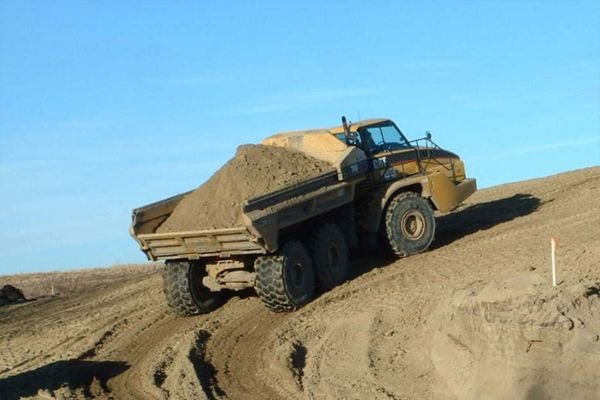
An articulated hauler is basically a heavy-duty dump truck with a “bendy” joint in the middle. This joint helps it move easily on rough, muddy, or uneven ground. It’s great for hauling large loads where normal trucks might get stuck.
Where to use: These machines are mostly used in mining sites, quarries, or big construction projects where the terrain is tough. They’re built to carry a lot without slowing down.
Key feature: The jointed frame that helps it steer and stay stable on rough terrain.
Benefits: Great traction, flexible movement, and can carry heavy loads even in bad conditions.
2. Asphalt Paver
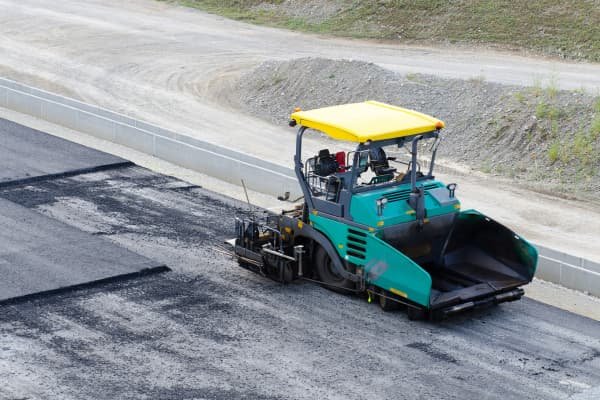
Asphalt pavers lay down smooth layers of asphalt for roads, parking lots, and walkways. They spread the asphalt evenly while moving forward, and usually a roller follows behind to compact everything.
If you’ve ever driven on a freshly paved road, that smooth surface is thanks to one of these machines.
Where to use: Road construction, pavement repairs, and parking lot projects.
Key feature: A screed that levels asphalt with consistent thickness.
Benefits: Faster paving, smoother finishes, and fewer surface defects.
3. Backhoe Loader
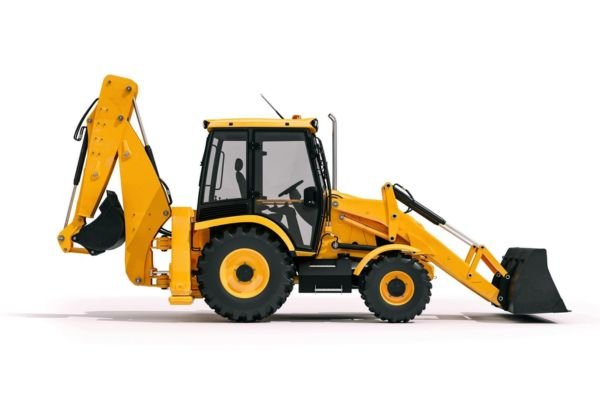
A backhoe loader is a two-in-one machine. It has a loader bucket in the front and a digging arm in the back. Because it can handle both digging and loading work, it’s super common on smaller jobs and farms.
Think of it as the “Swiss Army knife” of construction vehicles—small but very flexible.
Where to use: Digging trenches, moving materials, small demolition jobs, and general earthwork.
Key feature: Two-in-one design—front loader plus rear digging arm.
Benefits: Flexible, compact, and reduces the need for multiple machines.
4. Boom Lift
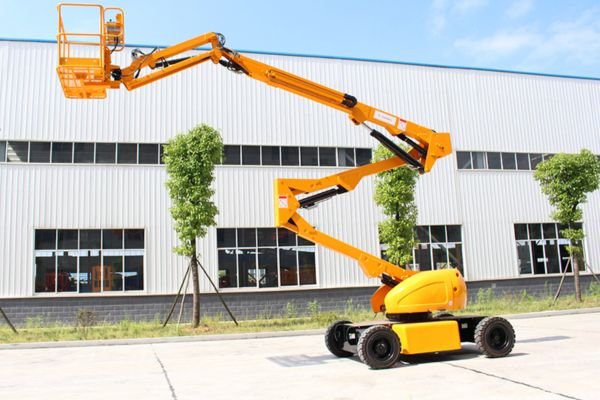
A boom lift is a machine with a long arm that lifts workers high into the air. It’s used for tasks like installing signs, fixing power lines, painting buildings, or trimming tall trees.
The boom can stretch, bend, and pivot, giving workers access to hard-to-reach places.
Where to use: Building maintenance, electrical work, and high-access construction tasks.
Key feature: Rotating and extendable arm for tricky angles.
Benefits: Safe access to hard-to-reach spots and high maneuverability.
5. Bulldozer
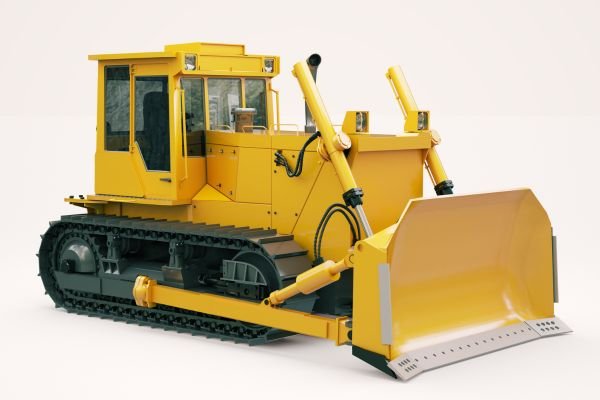
A bulldozer is basically a big, powerful machine with a wide blade in front. It pushes soil, rocks, and debris out of the way. It’s great for clearing land or shaping ground.
People use bulldozers in almost every major construction project because they’re tough and reliable.
Where to use: Land clearing, grading, mining, and road construction.
Key feature: Heavy blade that cuts through tough terrain.
Benefits: Strong pushing power and excellent ability to move large amounts of material.
6. Cold Planer
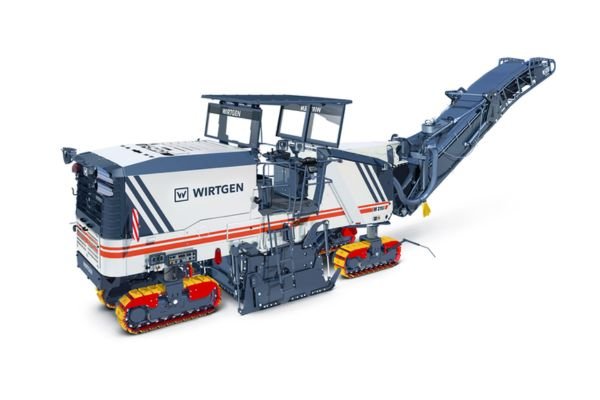
A cold planer grinds and removes old asphalt or concrete from road surfaces. It chews up the top layer so that fresh pavement can be laid down.
These machines help extend the life of roads by making resurfacing faster and cleaner.
Where to use: Road resurfacing and pavement repair.
Key feature: Rotating drum with sharp cutting teeth.
Benefits: Precise removal and better results before new paving.
7. Compactor
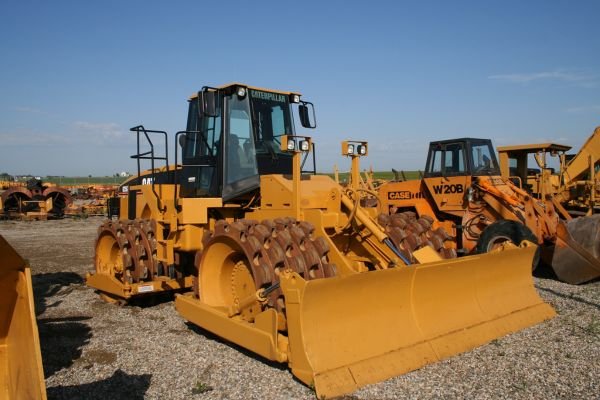
A compactor presses soil, gravel, or asphalt down so the surface becomes solid and stable. Without compacting, the ground might shift later—and nobody wants a bumpy road or sinking foundation.
Compact machines come in many sizes, from small walk-behind units to huge rollers.
Where to use: Road building, foundation preparation, landscaping.
Key feature: A heavy roller or plate that applies strong downward pressure.
Benefits: Prevents sinking, cracking, and uneven surfaces.
8. Concrete Mixer Truck
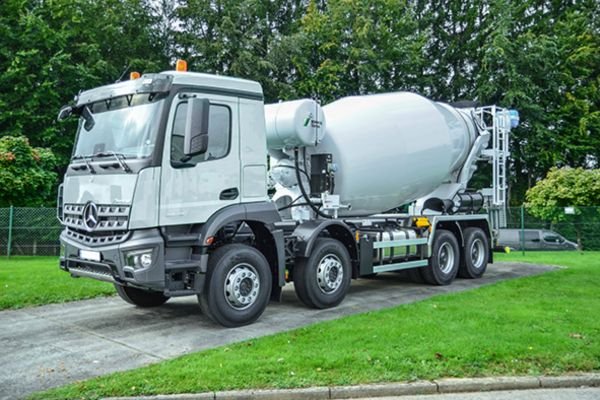
This is the big rotating drum truck you see carrying wet concrete. It keeps the concrete mixed and moving so it doesn’t harden before reaching the site.
Mixer trucks are essential for any project using concrete—from sidewalks to skyscrapers.
Where to use: Any project that needs freshly mixed concrete—roads, buildings, foundations.
Key feature: Rotating drum that keeps the concrete from hardening.
Benefits: Consistent mix quality and efficient delivery.
9. Concrete Pump Truck
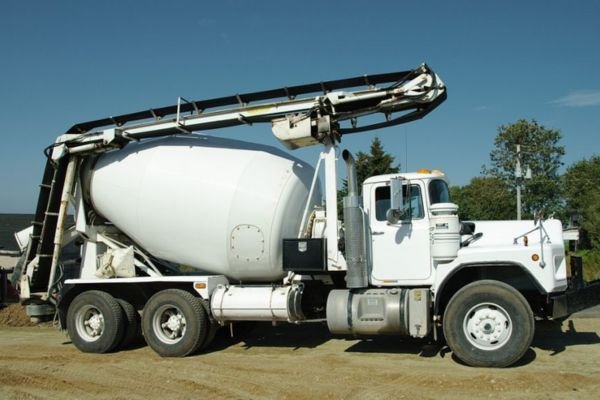
A concrete pump truck uses a long boom arm to deliver concrete to places that are hard to reach. Instead of dumping concrete only near the truck, it pumps it far away—up floors, over walls, or deep into foundations.
This saves a ton of time and reduces manual work.
Where to use: High-rise buildings, bridges, large foundations.
Key feature: Extendable boom that delivers concrete precisely.
Benefits: Fast, accurate concrete placement with less labor.
10. Concrete Screed Machine
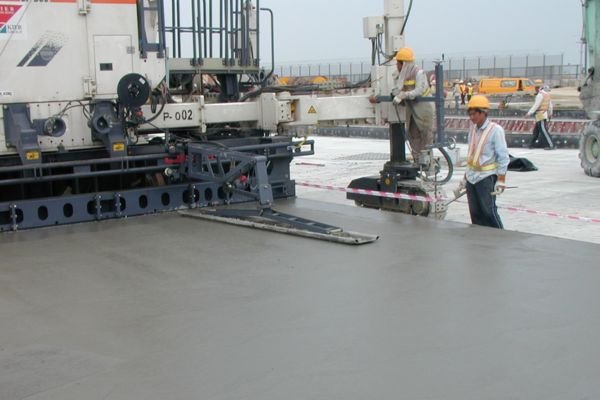
A concrete screed machine levels and smooths out freshly poured concrete. It helps create flat, even surfaces for floors, pavements, or foundation slabs.
It’s a must-have tool for big concrete jobs where hand tools just aren’t enough.
Where to use: Floor slabs, pavements, and industrial flooring.
Key feature: Vibrating or laser-guided beam.
Benefits: Smooth, level concrete with better finish quality.
11. Crane
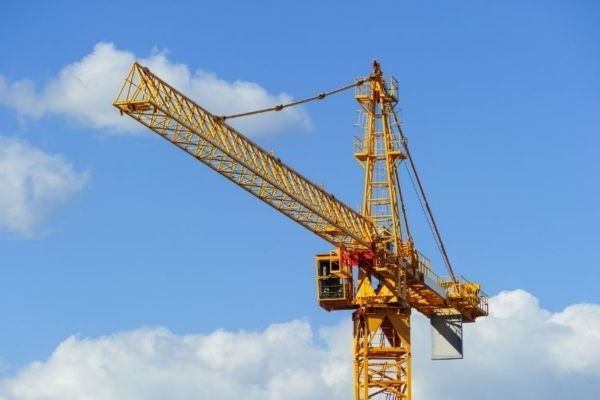
Cranes lift heavy materials and equipment. Tower cranes are the tall ones you see on skyscraper projects. Mobile cranes move around on wheels, and crawler cranes move on tracks for stability.
No matter the type, cranes are used whenever something big and heavy needs to go up, down, or across.
Where to use: Building construction, ports, heavy lifting jobs.
Key feature: High lifting capacity and wide working radius.
Benefits: Efficient vertical lifting and handling of massive loads.
12. Dump Truck
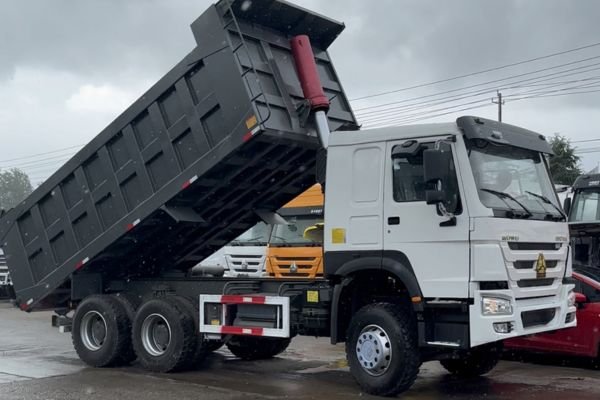
Dump trucks carry and unload materials like sand, soil, gravel, or demolition waste. The back bed tilts upward to dump everything out—simple but extremely useful.
They’re one of the most common vehicles in construction and roadwork.
Where to use: Hauling materials around construction and mining sites.
Key feature: Hydraulic dump bed.
Benefits: Fast unloading and big load capacity.
13. Excavator
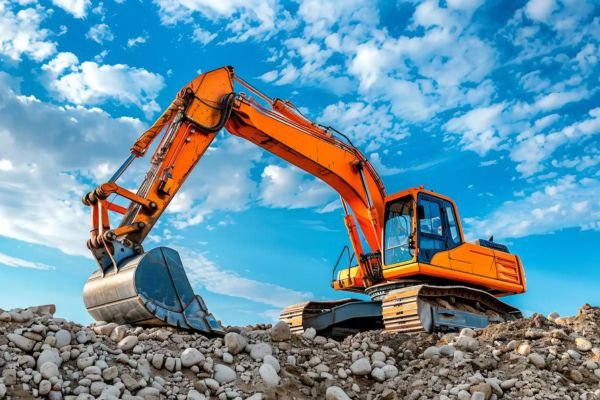
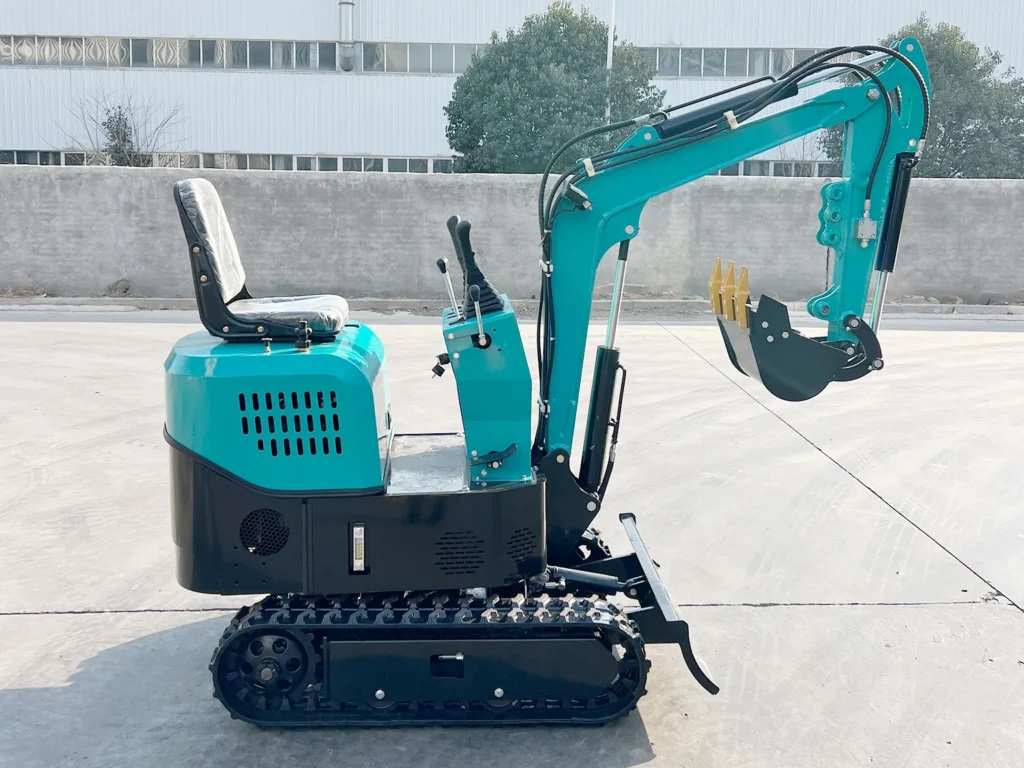
Excavators are machines with a large bucket on a long arm, mounted on tracks. They dig trenches, foundations, and holes, and can also break rocks, lift heavy items, or even demolish structures.
They’re powerful, flexible, and seen on nearly every construction site. Excavators also come in different types to suit various purposes.
Where to use: Digging foundations, trenching, demolition, lifting materials.
Key feature: 360-degree rotating cab.
Benefits: Powerful digging, flexible movement, and multiple attachments.
14. Feller Buncher
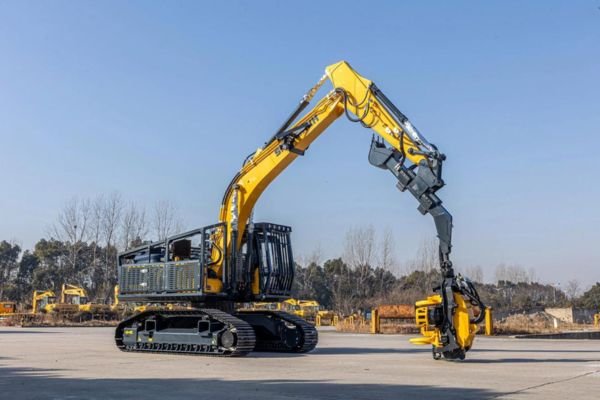
A feller buncher is like a “tree-cutting” machine. It grabs trees, cuts them, and gathers them into bunches—making logging faster and safer.
These machines are mostly used in forestry, not regular construction.
Where to use: Logging and forest clearing.
Key feature: Claw-like saw head that grabs and cuts trees.
Benefits: Safer, faster tree harvesting.
15. Forklift
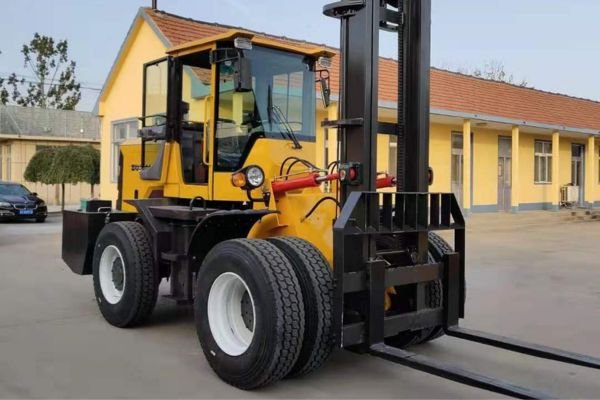
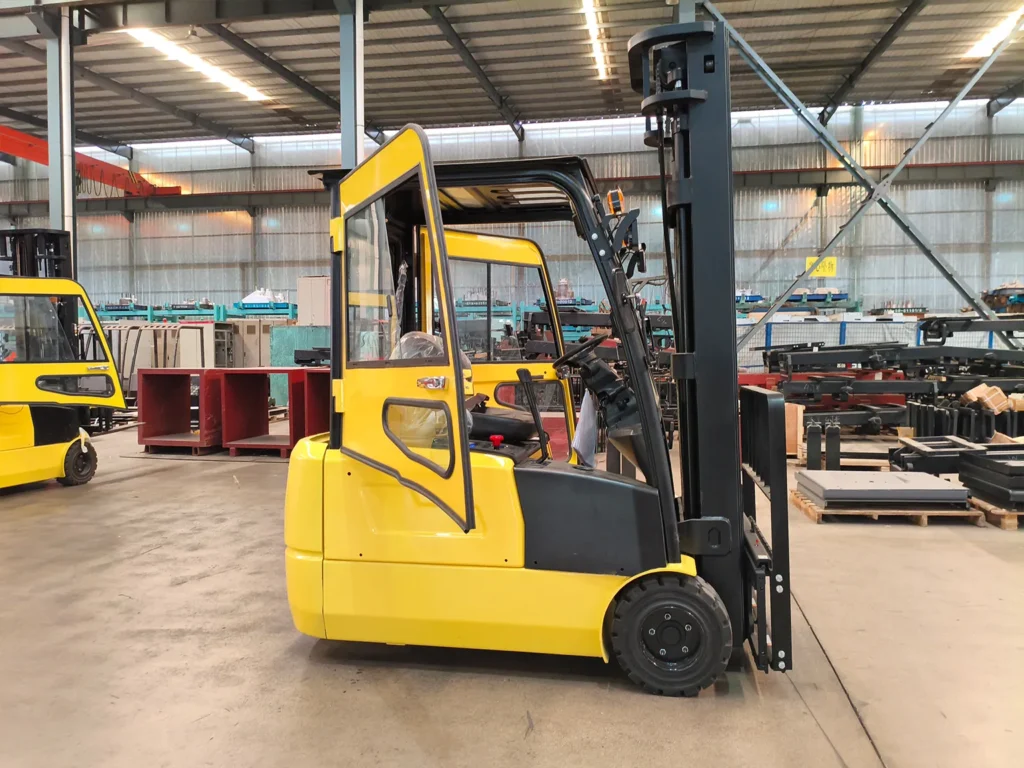
Forklifts lift and move pallets, boxes, and heavy items. You’ll find them in warehouses, factories, lumber yards, and construction supply areas.
They’re small but incredibly strong, making them perfect for tight spaces.
Where to use: Warehouses, factories, and job sites with material handling needs.
Key feature: Hydraulic forks and precise lifting control.
Benefits: Efficient material movement that saves time and labor.
16. Forwarder
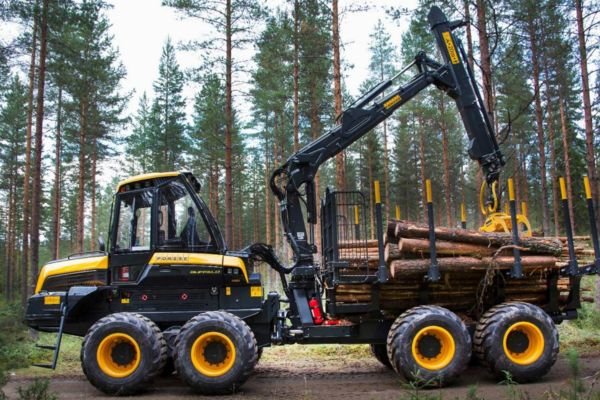
A forwarder is used in forestry to carry cut logs from the forest to loading areas. It lifts the logs onto its back instead of dragging them, which helps protect the ground.
It works together with machines like feller bunchers and skidders.
Where to use: Forestry operations and timber transport.
Key feature: Large load bed with hydraulic crane.
Benefits: Cleaner logging, less ground disturbance.
17. Front-End Loader
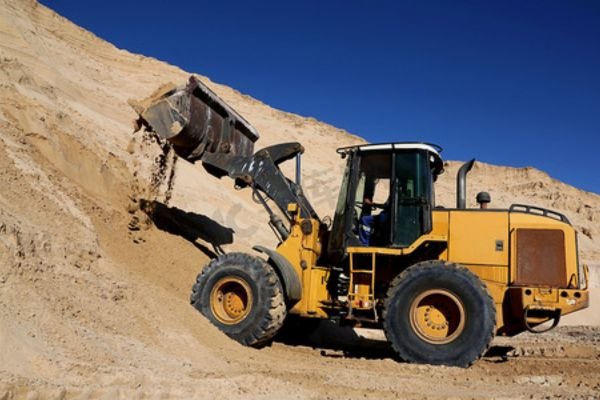
This machine has a big bucket in front used for scooping, lifting, and moving materials like dirt or gravel. Front-end loaders are fast and strong, perfect for loading dump trucks or clearing debris.
They’re common on roadwork and building sites.
Where to use: Roadwork, mining, construction, landscaping.
Key feature: High-capacity bucket.
Benefits: Fast loading and material transport.
18. Grader
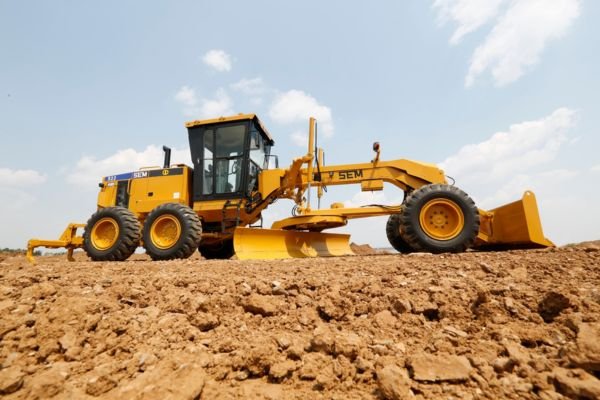
A grader has a long blade under the center of the machine. It smooths and levels surfaces—especially for road construction.
If you want a perfectly even ground before paving, the grader is the go-to machine.
Where to use: Road leveling, fine grading, snow removal.
Key feature: Adjustable central blade.
Benefits: Precise leveling and great control.
19. Pile Driver
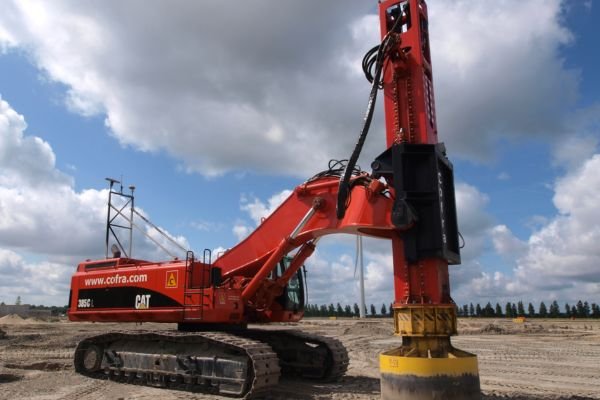
Pile drivers push long steel or concrete piles deep into the ground. These piles help support heavy buildings, bridges, and other structures.
They’re loud and powerful but very important for strong foundations.
Where to use: Foundation work, marine construction, bridge building.
Key feature: Heavy hammer mechanism.
Benefits: Strong, stable foundations for tall or heavy structures.
20. Scraper
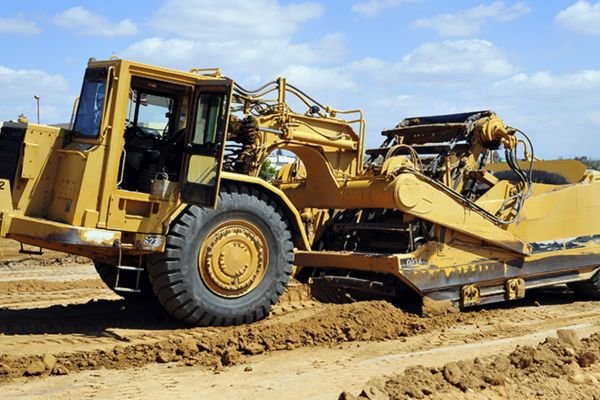
A scraper cuts into the soil, collects material in its hopper, and then transports it to another location. It’s basically a machine that digs and hauls at the same time.
Scrapers are great for major earthmoving projects like highways and mining.
Where to use: Large earthmoving and grading projects.
Key feature: Bowl that scrapes and collects soil.
Benefits: High efficiency over long distances.
21. Scissor Lift
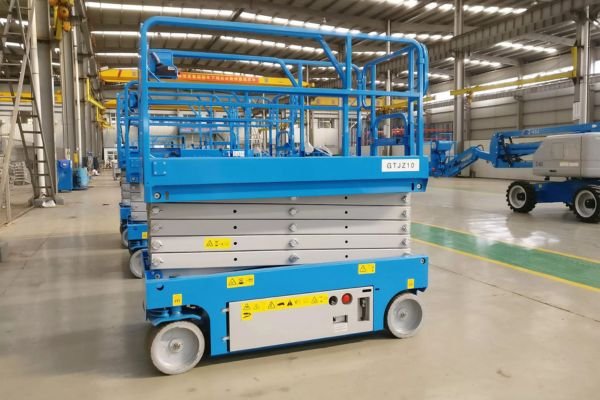
A scissor lift raises workers straight up using a folding “X” lift mechanism. It’s stable, easy to operate, and perfect for indoor jobs like installation or maintenance.
It’s not as flexible as a boom lift, but great for vertical access.
Where to use: Indoor maintenance, warehouses, and construction.
Key feature: Vertical lifting mechanism.
Benefits: Stable, safe platform for working at height.
22. Skid Steer Loader
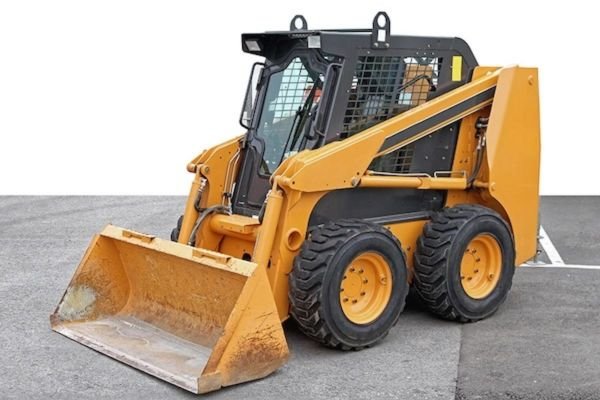
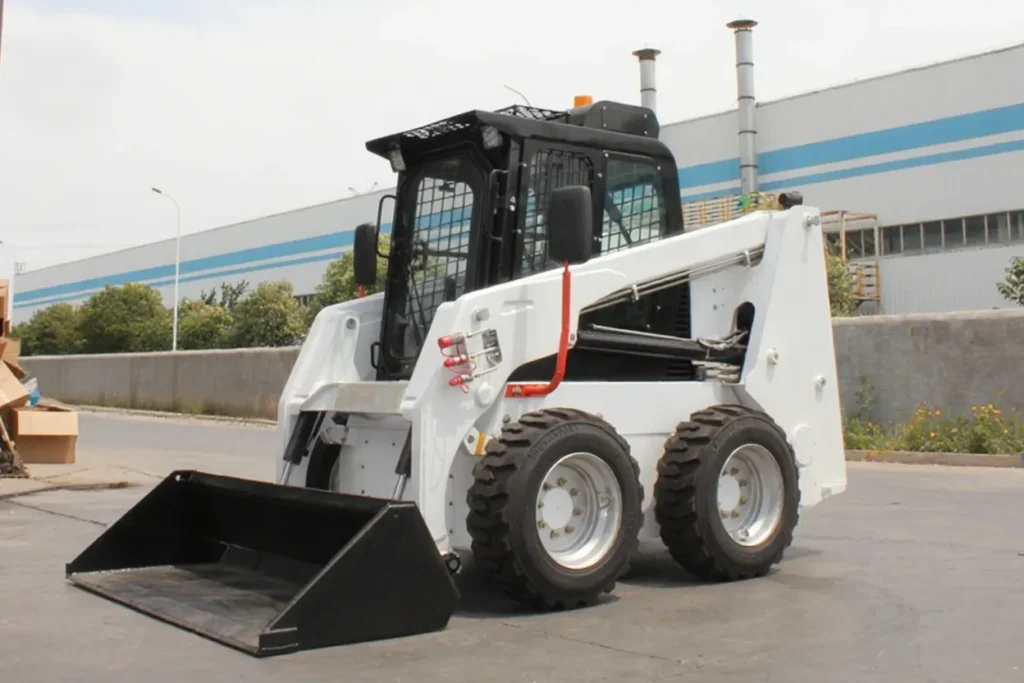
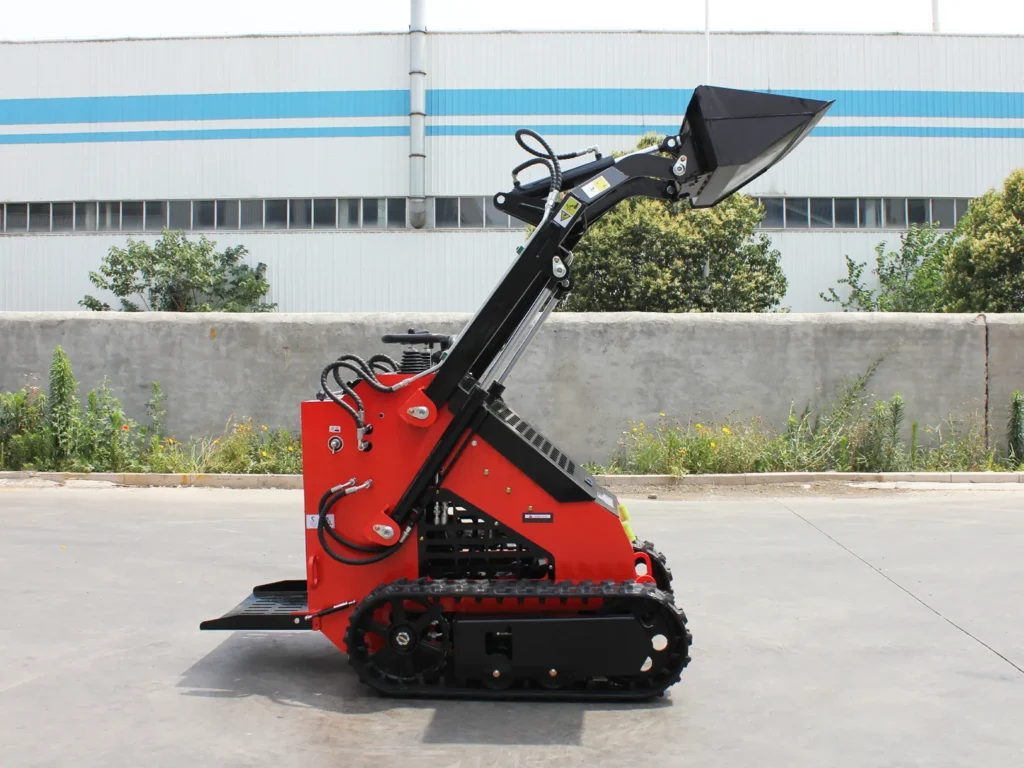
A skid steer is a small, nimble loader that turns by skidding its wheels. It can fit into tight spaces and works with lots of attachments—buckets, augers, trenchers, brooms, and more.
Think of it as a compact, do-it-all machine.
Where to use: Landscaping, demolition, light construction.
Key feature: Compact size and skid-steer turning.
Benefits: Highly maneuverable and compatible with many attachments.
23. Skidder
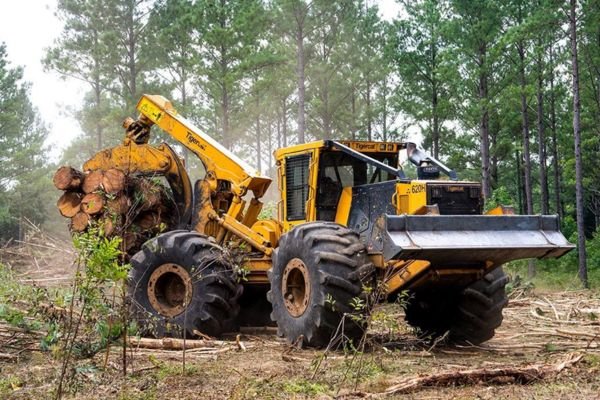
A skidder pulls and drags cut trees out of the forest. It’s strong, rugged, and built for tough terrain.
It’s another essential machine in the logging and forestry industry.
Where to use: Forestry operations.
Key feature: Grapple or cable for pulling logs.
Benefits: Efficient log removal over rough terrain.
24. Telehandler
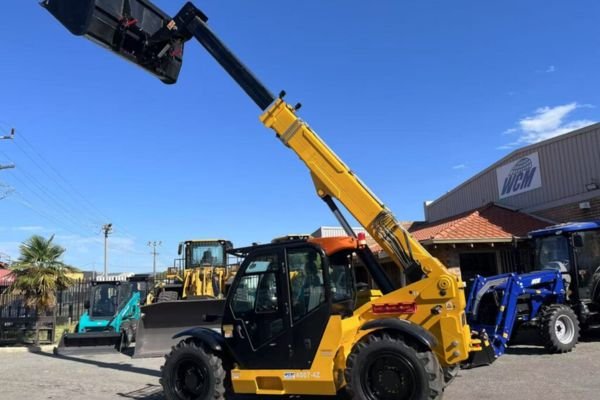
A telehandler is like a mix between a forklift and a crane. It has an extendable boom that can lift materials to higher places that a normal forklift can’t reach.
You’ll often see it on construction sites moving pallets of bricks or roofing materials.
Where to use: Construction, agriculture, and material lifting.
Key feature: Extendable boom.
Benefits: Great reach and versatility with many attachments.
25. Tractor
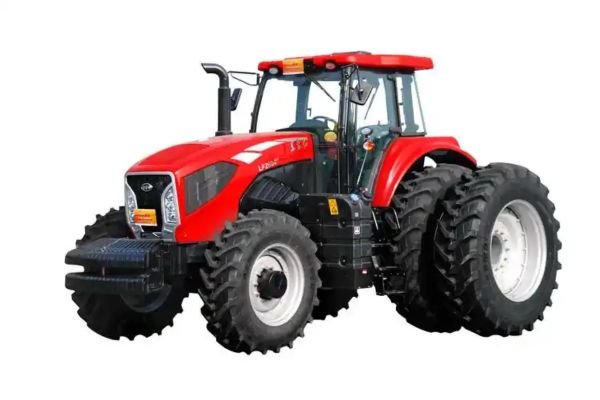
Tractors aren’t just for farms—they’re used in construction too. They tow equipment, move materials, and power various attachments.
Their strength and reliability make them a versatile helper on many job sites.
Where to use: Earthmoving, hauling materials, agricultural tasks.
Key feature: High pulling power.
Benefits: Reliable, strong, and highly adaptable.
26. Trencher
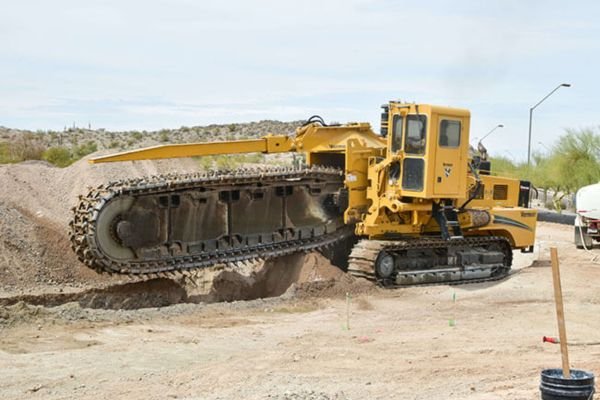
A trencher cuts narrow trenches in the ground for pipes, cables, irrigation lines, or drainage. It works much faster than digging with an excavator or by hand.
Different sizes fit different jobs—small landscaping jobs or large utility projects.
Where to use: Utility installation, landscaping, and irrigation.
Key feature: Chain or wheel cutting system.
Benefits: Fast trenching with clean, consistent cuts.
27. Water Truck
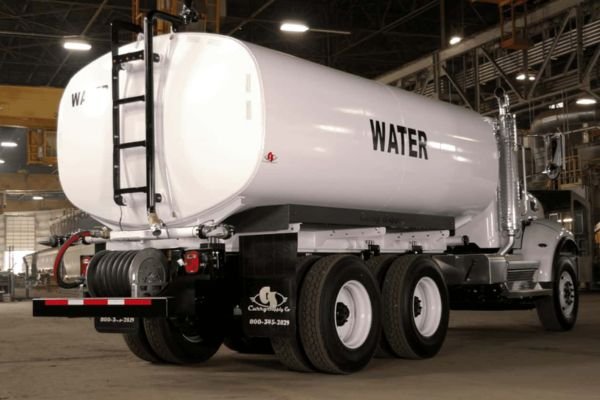
Water trucks carry and spray water. They’re mainly used to control dust at construction sites or to provide moisture for soil compaction.
They’re simple machines but extremely important for safety and quality control.
Where to use: Roadwork, construction sites, mining.
Key feature: Large water tank with spray nozzles.
Benefits: Controls dust and improves soil moisture for compaction.
Final Words
Construction vehicles might look big and complicated, but once you know what each one does, things become a lot easier to understand. Every machine helps with a different part of the job, from the first dig to the last layer of pavement.
When it comes to choosing the right vehicle, there’s no one-size-fits-all answer. It depends on your job, your worksite, and what you need the machine to do. Just make sure to look at the pros and cons of each option before you decide.