If you’ve ever passed by a construction site, you’ve probably spotted an excavator — that big machine with a long arm and a bucket digging like it owns the place. Excavators are the true workhorses of modern construction, mining, landscaping, and even emergency rescue.
But did you know there are many different types of excavators, each designed for specific jobs?
In this blog, we’ll walk you through what an excavator is, the most common types, their pros and cons, to help you pick the most suitable excavator for your project.
What Is an Excavator?
An excavator is a powerful piece of heavy machinery used for digging, lifting, demolition, grading, and moving materials on construction sites. It usually has:
- A boom (arm)
- A stick (or dipper)
- A bucket
- A cab for the operator
- A rotating platform allows it to swing 360 degrees while working
- Tracks or wheels
Excavators aren’t just for digging holes — they can break concrete, clean riverbeds, demolish buildings, drill foundations, and more. With the right attachment, an excavator becomes a Swiss-army knife on a job site.
Excavators can travel on tracks or wheels, and with different attachments, they can handle jobs like breaking concrete, clearing debris, drilling holes, or shaping land. In simple terms, an excavator is the go-to machine whenever a project needs strong digging power and dependable performance.
8 Main Types of Excavators
Excavators come in many shapes and sizes, each designed to handle different kinds of construction challenges.
From powerful machines that dig deep into mines to compact mini excavators that squeeze into backyard spaces, every type has its own strengths, limits, and ideal applications.
Understanding these differences can help you choose the right machine for your project — whether you’re clearing land, building foundations, repairing utilities, or shaping landscapes. Let’s take a closer look at the most common excavator types and what makes each one unique.
1. Crawler Excavators
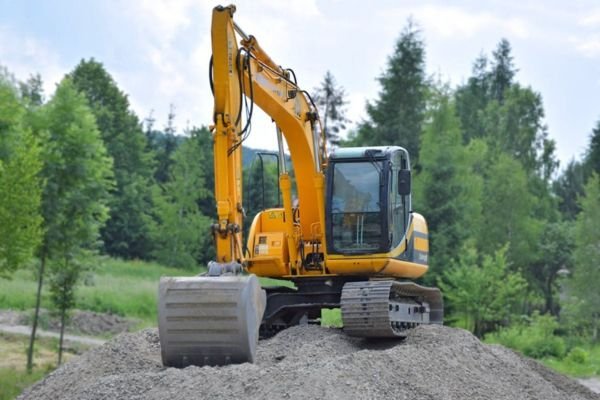
Crawler excavators are the classic workhorses you’ll see on large construction sites, especially where the ground is soft, muddy, or uneven. Instead of wheels, they move using steel or rubber tracks, giving them incredible stability and traction.
Because they sit low and wide, they can handle tough terrains that wheeled machines can’t. Crawler excavators also offer very strong digging power thanks to their solid, heavy undercarriage.
However, they’re not ideal for long-distance travel — they move slowly and typically require transportation by trailer when relocating to a new site. Their metal tracks can also damage paved roads. Despite these limitations, they’re the most widely used excavators in construction, mining, and foundation work because of their strength, reliability, and ability to tackle challenging, heavy-duty tasks.
Pros:
- Excellent stability on soft, muddy, or uneven ground
- Strong digging power
- Great for heavy-duty work
Cons:
- Slow movement, may damage paved roads.
Best for: foundation digging, mining, trenching, river dredging, large construction projects
2. Wheeled Excavators

Wheeled excavators are the faster, more flexible cousins of crawler machines. They use rubber tires instead of tracks, making them exceptionally convenient for urban projects or frequent site-to-site movements.
They can travel on highways at much higher speeds, saving both time and transportation costs. Their tires are gentle on asphalt and concrete, so there’s no worry about damaging roads.
On the downside, wheeled excavators don’t handle soft, muddy, or uneven ground as well as tracked excavators. They also usually have slightly less digging force because they’re built for mobility rather than brute strength. Even so, they’re incredibly useful for municipal construction, landscaping, roadside maintenance, and pipeline repairs.
Pros: fast mobility, road-friendly, easy to maneuver
Cons: less stable on stable ground, lower digging power
Best for: urban construction, municipal work, landscaping, utilities repair
3. Dragline Excavators
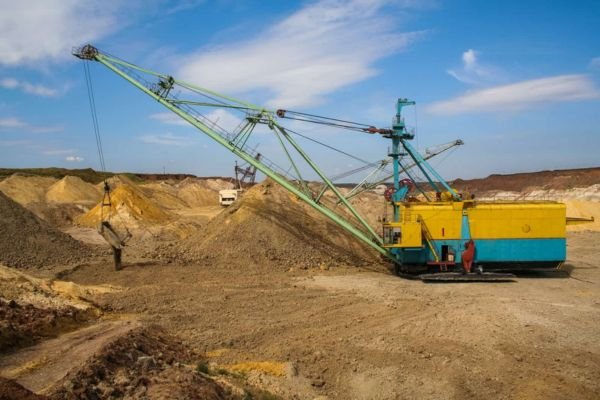
Dragline excavators are among the giants of the excavator family. They look very different from the typical hydraulic excavator because they use long arms, steel cables, and a massive bucket that swings instead of digging with hydraulic power.
Thanks to this design, draglines can reach very far and dig much deeper than most other excavators. These machines are usually enormous and are often assembled on-site due to their size. The downside is that they operate more slowly and require skilled operators because the cable system demands careful control.
They also aren’t suitable for precise or small-scale digging. They are mostly used in mining, large-scale water projects, and river or lake dredging, where depth and reach matter more than fine accuracy.
Pros: extremely deep digging, long reach, ideal for large-scale excavation
Cons: slow operation, huge size, difficult to transport, high requirements for operator experience
Best for: mining, dredging, underwater excavation
4. Suction Excavators (Vacuum Excavators)
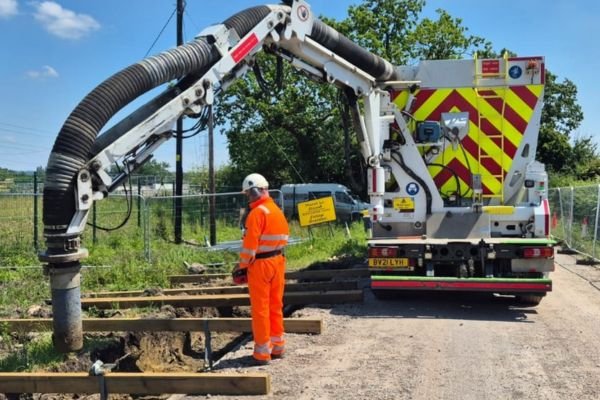
Suction excavators, also called vacuum excavators, are unique because they don’t dig with a traditional bucket. Instead, they use a high-powered air suction system to pull soil, sand, or debris into a container. This makes them perfect for jobs that require extreme precision, especially when sensitive utilities like fiber-optic cables, gas lines, or water pipes are buried underground.
Because they remove material with air suction, the risk of accidental damage is significantly reduced. However, they’re not suitable for very hard soil or rocky ground, and they can be more expensive to operate than traditional excavators. Still, for city work, maintenance, and utility repair, suction excavators provide unmatched safety and accuracy.
Pros: highly precise, prevents utility damage, clean and safe
Cons: limited power on hard soil, higher operating cost
Best for: utility maintenance, cable work, sensitive urban construction
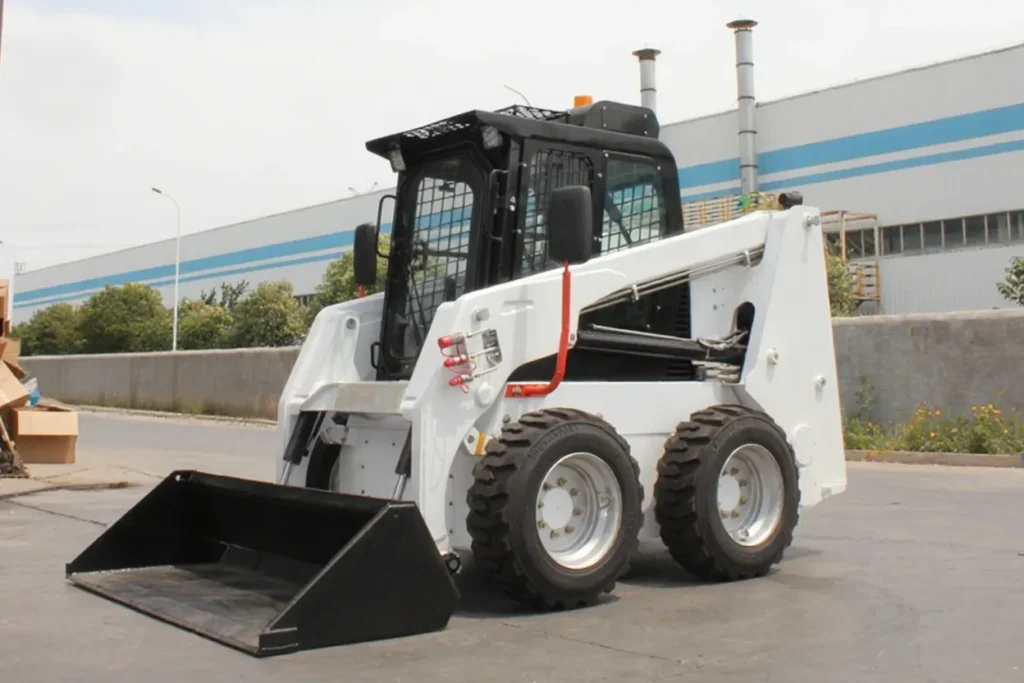
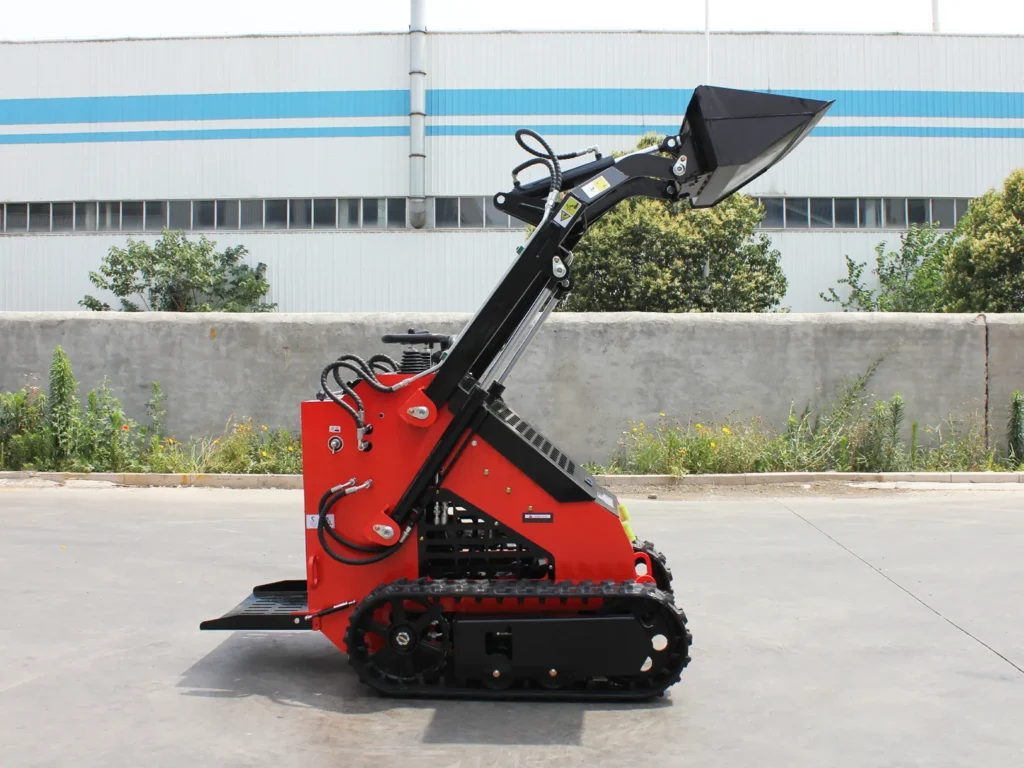
5. Skid Steer Excavators
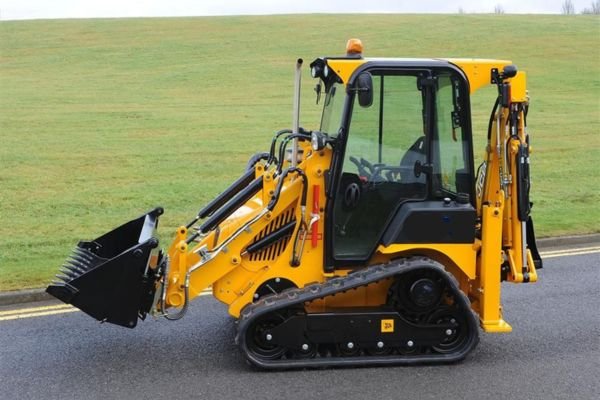
Skid steer excavators combine the compact size of a skid steer with the digging ability of an excavator. These machines are small, lightweight, and incredibly maneuverable, making them ideal for tight, crowded spaces where larger machines simply can’t fit.
They often operate in residential neighborhoods, small landscaping projects, farms, or warehouse environments. One of their biggest advantages is versatility: operators can quickly swap attachments such as buckets, augers, grapples, and breakers.
However, they have limited digging depth and cannot handle heavy-duty excavation like full-size machines. They shine in light to medium tasks that require speed, flexibility, and easy movement in confined areas.
Pros: very compact, extremely maneuverable, attachment-friendly
Cons: limited digging power and depth
Best for: landscaping, small-scale construction, agriculture, indoor or tight spaces
6. Long Reach Excavators

Long-reach excavators are specifically designed for extended-range operations. Equipped with extra-long booms and dippers, they can reach deep into river channels, slopes, or the interiors of building structures without requiring the entire machine to be positioned at the edge.
This equipment is commonly used in scenarios requiring a safe distance, such as dredging projects, slope maintenance, and high-rise building demolition. Due to the reduced stability caused by the excessive reach, manufacturers typically add additional counterweights to maintain balance. These machines are unsuitable for heavy earthmoving tasks, excelling instead in applications requiring reach rather than brute force.
Pros: outstanding reach, safe distance operation, ideal for hard-to-access areas
Cons: reduced stability, lower digging power at long distances
Best for: riverbank work, slope shaping, demolition, deep excavation from a safe position
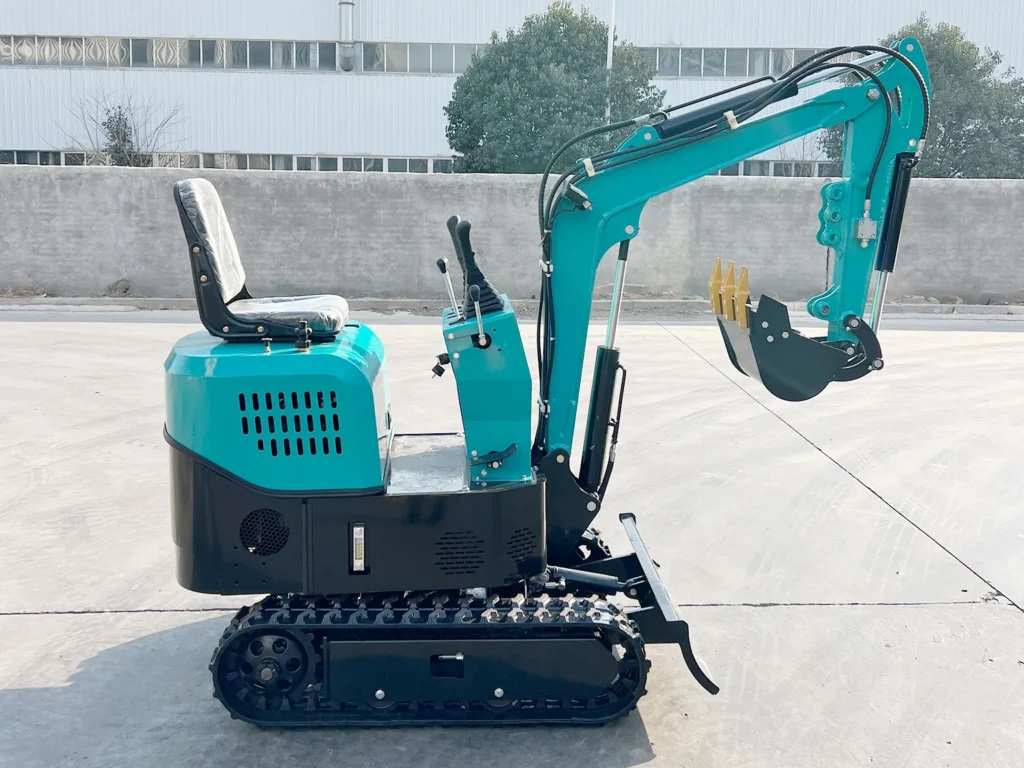
7. Mini Excavators (Compact Excavators)
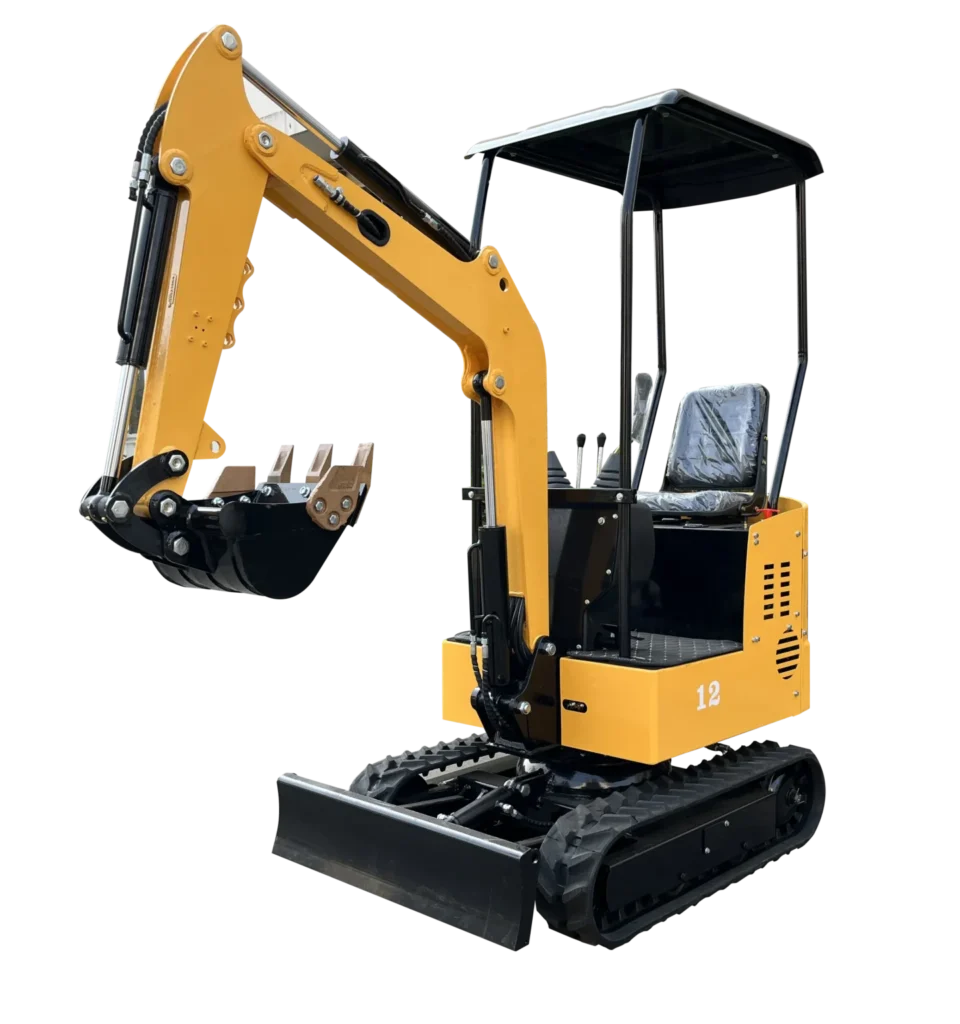
Mini excavators — usually weighing 1 to 6 tons — are the small heroes of construction. Their compact size allows them to slip into tight spaces like backyards, alleyways, basements, and narrow streets.
Despite their small bodies, mini excavators can perform a wide range of tasks such as digging trenches, breaking concrete, clearing debris, or installing utilities. They’re also very cost-effective because they’re easy to transport and consume less fuel. However, they’re not designed for large-scale jobs, and their arm reach and digging depth are limited. Still, for homeowners, small contractors, and landscapers, mini excavators are incredibly practical and surprisingly powerful for their size.
Pros: compact, fuel-efficient, easy to transport, multi-purpose
Cons: limited digging range and power
Best for: home renovation, landscaping, utility installation, indoor demolition
8. Backhoe Excavator (Backhoe Loader)
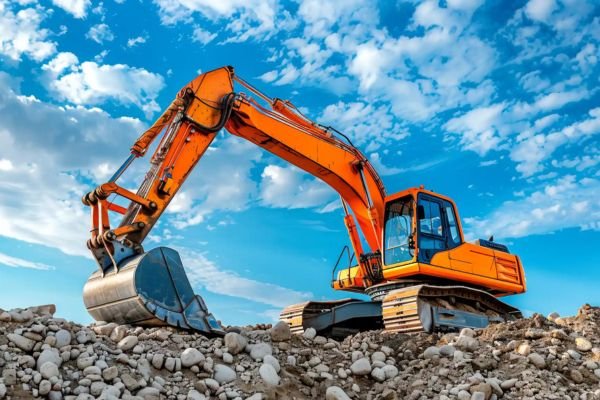
Backhoes are a unique combination of two machines in one: a loader in the front and a digging arm (backhoe) in the back. This dual functionality makes them extremely versatile, especially for small to medium projects where you need both digging and loading capabilities.
Backhoes are popular in agriculture, roadwork, and municipal projects because they can travel quickly on roads like regular vehicles. While convenient, they’re not as powerful or efficient as dedicated excavators when it comes to heavy digging or deep trenching.
Pros: very versatile, travels easily on roads, perfect multi-purpose machine
Cons: lower digging power, less efficient for heavy excavation
Best for: farming, road maintenance, small-to-medium construction projects
Pros:
- Multi-purpose machine
- Great mobility
Cons:
- Not as strong as a dedicated excavator
- Less efficient for heavy digging
Best for: agriculture, roadwork, small construction jobs
How Much Does a Mini Excavator Weigh?
Most mini excavators weigh between 1 ton and 6 tons.
- Micro excavators: 800 kg – 1.5 tons
- Standard mini excavators: 1.5 – 3.5 tons
- Large mini excavators: 3.5 – 6 tons
Their lightweight design makes them easier to transport and perfect for small-scale or indoor projects.
Difference Between a Backhoe and an Excavator
Many people confuse these two, but here’s the simple difference:
| Feature | Excavator | Backhoe |
|---|---|---|
| Rotation | 360° full rotation | Only about 200° |
| Structure | Single digging arm | Digging arm + front loader |
| Size | Generally larger | Smaller and more mobile |
| Best for | Heavy digging, demolition, mining | Versatile jobs, farms, road maintenance |
In short: A backhoe is a great multi-purpose tool, while an excavator is more powerful for heavy-duty digging.
Conclusion
Excavators come in many shapes and sizes — from tiny mini excavators to massive draglines. Each type is designed for specific conditions, so choosing the right one can boost efficiency, safety, and cost savings.
Whether you’re digging a small backyard trench or handling a major construction project, there’s always an excavator perfectly suited for the job.
Torchuck – Chinese Excavator Manufacturer
If you’re considering reliable, well-built excavators from a trusted Chinese manufacturer, you may want to check out Torchuck. We focus on practical performance, stable quality, and competitive pricing — making our machines a solid choice for contractors, builders, and machinery distributors around the world.
Feel free to reach out — we’re here to help you choose the right machine for your project.