Forklifts come in a wide range of designs to meet the needs of different industries, terrains, and load requirements. From compact electric models built for warehouses to heavy-duty machines made for construction and ports, each type of forklift offers unique advantages. Understanding the differences helps businesses choose the right equipment for safer operations, higher productivity, and smarter material handling.
12 Types of Forklifts
1. Warehouse Forklift
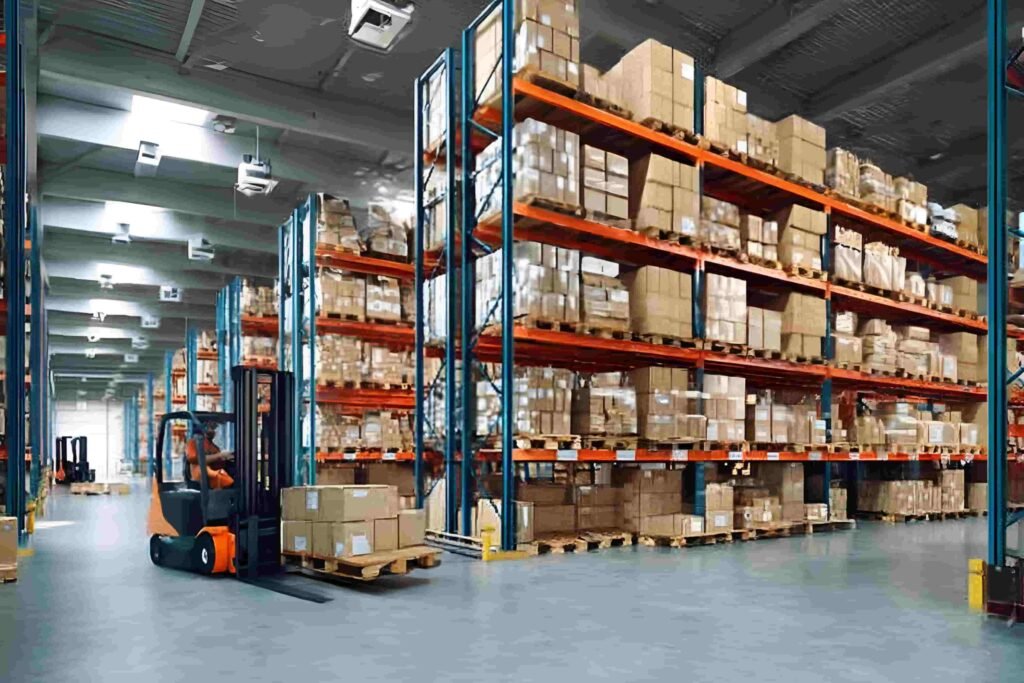
Warehouse forklifts are the most common material-handling equipment in indoor operations. Designed for smooth surfaces and tight aisle navigation, they excel at lifting pallets, loading trucks, and moving goods between storage areas.
Usage: Their compact structure and strong lifting capability make them ideal for warehouses, logistics hubs, and distribution centers where efficiency and speed are critical.
Highlight: Optimized for indoor pallet handling and high-frequency warehouse operations.
2. Side Loader
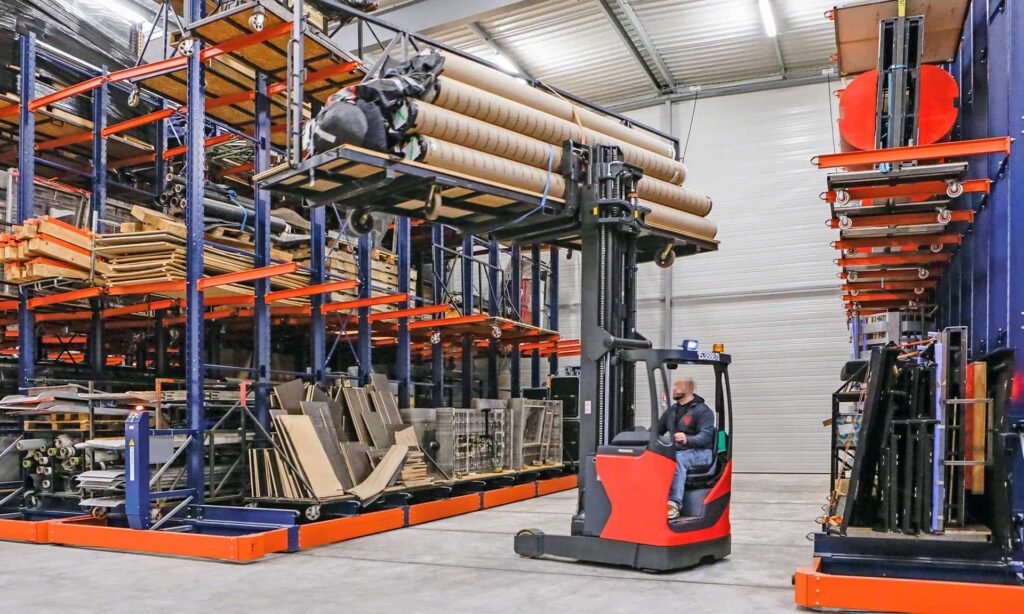
Side loaders are engineered to handle long and bulky materials that traditional forklifts struggle with. By lifting from the side, they allow operators to easily maneuver through narrow aisles without turning the load.
Usage: Popular in manufacturing, timber, and steel industries, they offer exceptional control and safety when moving oversized inventory.
Highlight: Perfect for safely transporting long materials in confined spaces.
3. Counterbalance Forklift
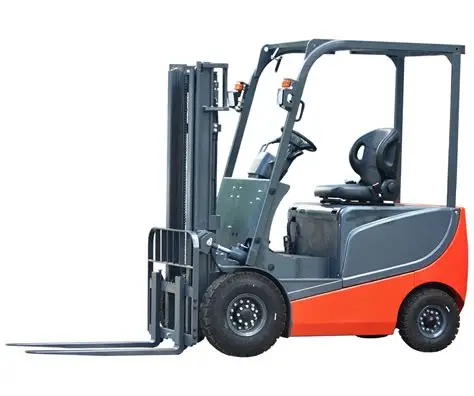
Counterbalance forklifts feature front-mounted forks and a rear counterweight to distribute load weight evenly. With a straightforward design and strong lifting ability, they can drive directly up to loads without stabilizing legs.
Usage: They are widely used across warehouses, factories, and loading docks thanks to their versatility in handling a wide variety of materials.
Highlight: A multi-purpose forklift ideal for general material handling across industries.
4. Stand-Up Forklift
Stand-up forklifts are designed for fast-paced environments where operators frequently enter and exit the vehicle. The standing position improves visibility, control, and maneuverability in narrow aisles.
Usage: These forklifts are commonly used in busy warehouses and distribution centers where speed, agility, and productivity are top priorities.
Highlight: Increases workflow speed with quick entry and enhanced visibility.

5. Telehandler Forklift (Sit-Down)
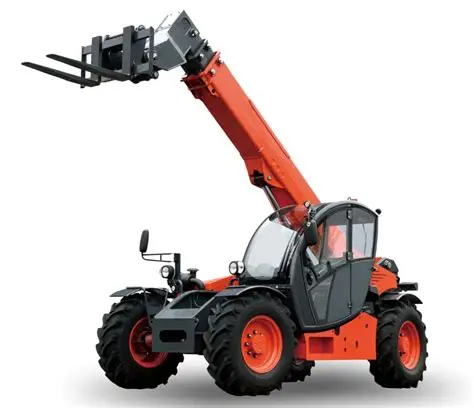
Telehandlers combine the robustness of a forklift with the reach of a crane. Their extendable boom allows forward and upward lifting, ideal for moving loads to elevated platforms or across obstacles.
Usage: Mostly used in construction, agriculture, and outdoor settings, they provide unmatched versatility in height and reach capabilities.
Highlight: Offers extended reach for high-level and off-ground material placement.
6. Heavy-Duty Forklift
Heavy-duty forklifts are built for industrial environments where extreme lifting capacity is required. Featuring powerful engines, reinforced frames, and high-capacity hydraulics, they can handle oversized loads like steel coils, shipping containers, and heavy machinery.
Usage: These machines are vital in ports, mining operations, and large-scale manufacturing.
Highlight: Designed for maximum lifting power in demanding industrial environments.
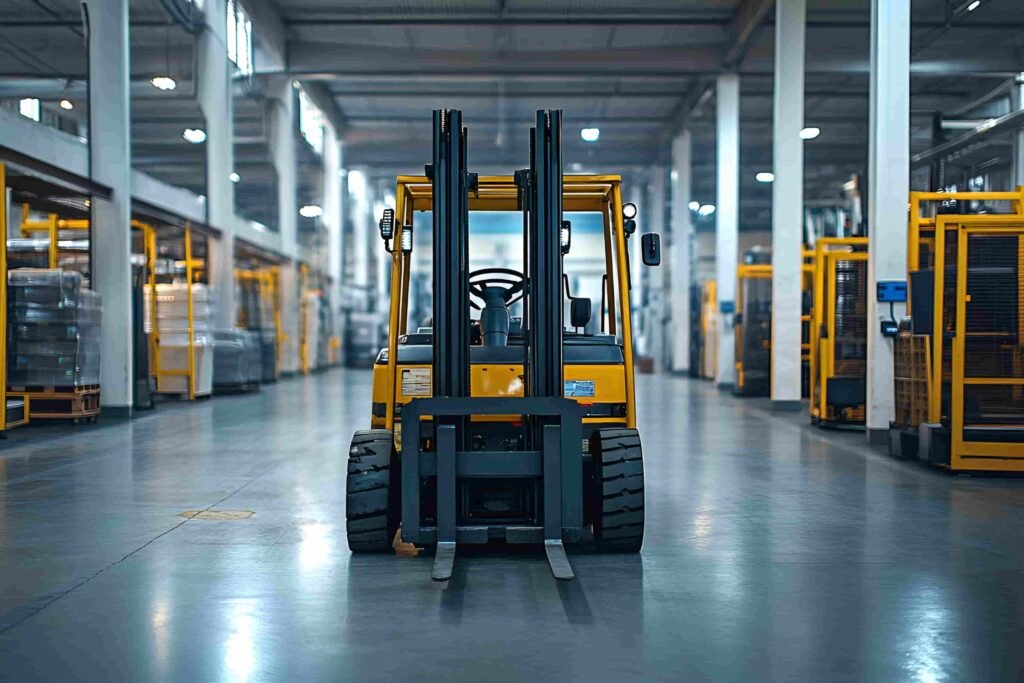
7. Rough-Terrain Forklift
Rough-terrain forklifts are equipped with heavy-duty tires, strong suspension, and powerful engines to navigate uneven or rugged outdoor surfaces. They are essential on construction sites, farms, and lumber yards where traditional forklifts cannot operate. These machines provide stability and safety when working in challenging environments.
Highlight: Built to perform reliably on uneven, outdoor terrain.
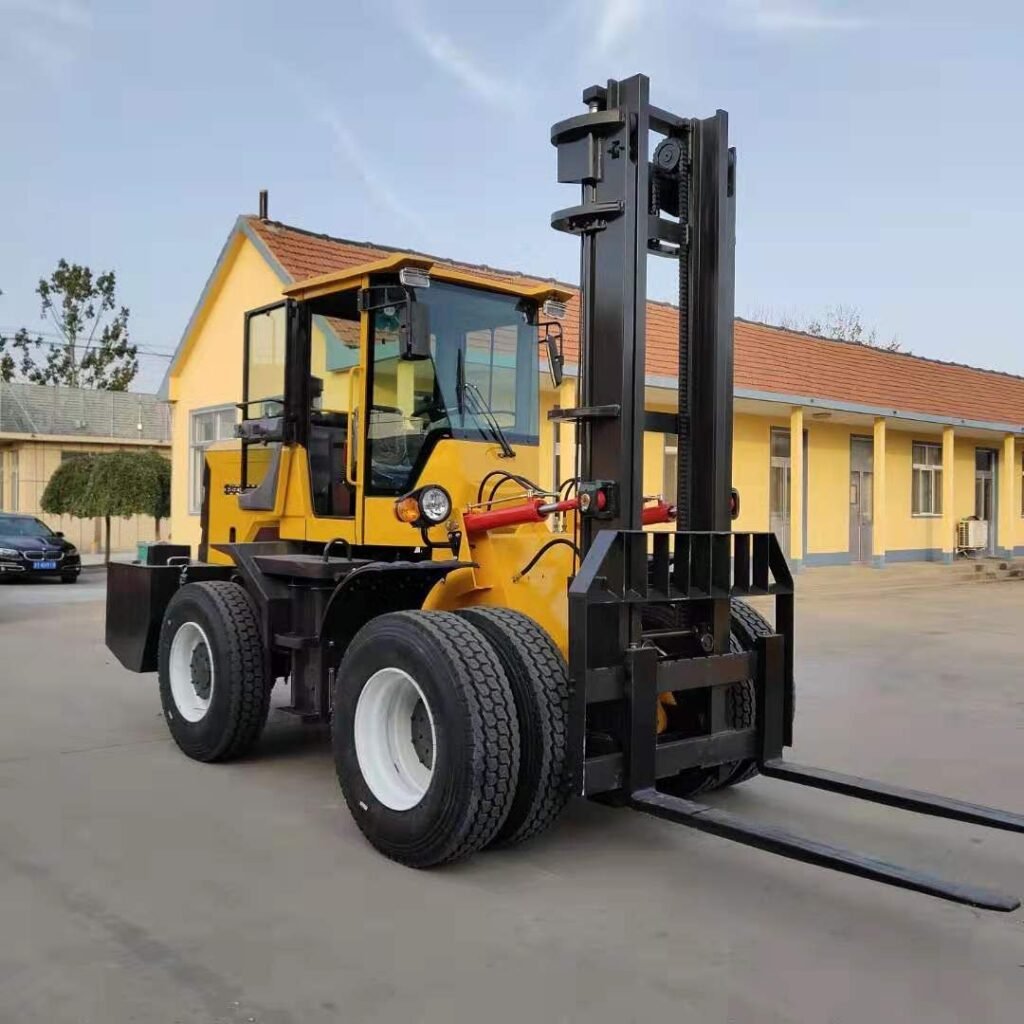
8. Pallet Jack
Pallet jacks are compact and cost-effective tools designed for moving palletized goods over short distances. Typically used in retail environments, small warehouses, and delivery trucks, they are easy to operate and require minimal training. While they don’t lift high, their mobility and simplicity make them essential for everyday handling tasks.
Highlight: Ideal for quick and easy movement of palletized goods.
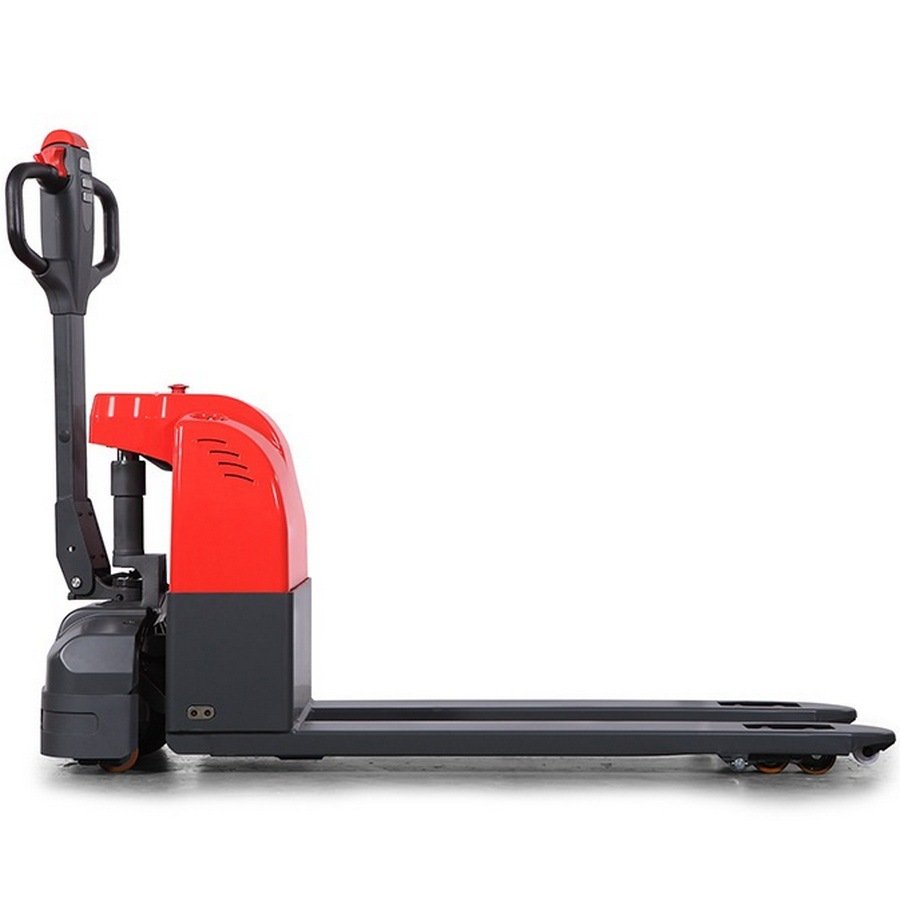
9. Walkie Stacker (Walk-Behind Forklift)
Walkie stackers offer more lifting height than pallet jacks while remaining compact and operator-friendly. Controlled by a handle while walking behind the machine, they allow efficient stacking in small spaces.
Usage: They are ideal for light-duty warehouse applications where vertical storage is needed but full-size forklifts are not practical.
Highlight: Enables vertical stacking in tight warehouse spaces.

10. Order Picker
Order pickers are purpose-built for warehouses where workers need to retrieve individual items rather than entire pallets. These machines lift the operator to shelf height, improving picking precision and efficiency.
Usage: They are especially useful in e-commerce fulfillment centers and high-SKU inventory operations.
Highlight: Increases picking accuracy for high-volume order fulfillment.
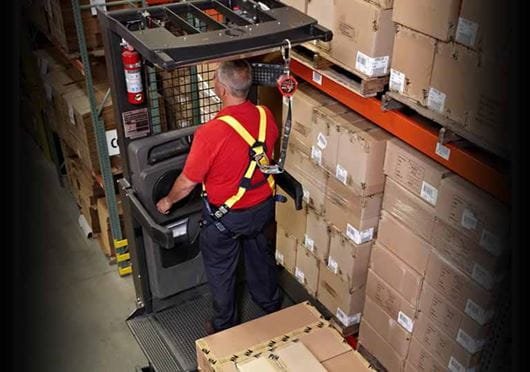
11. Reach Truck
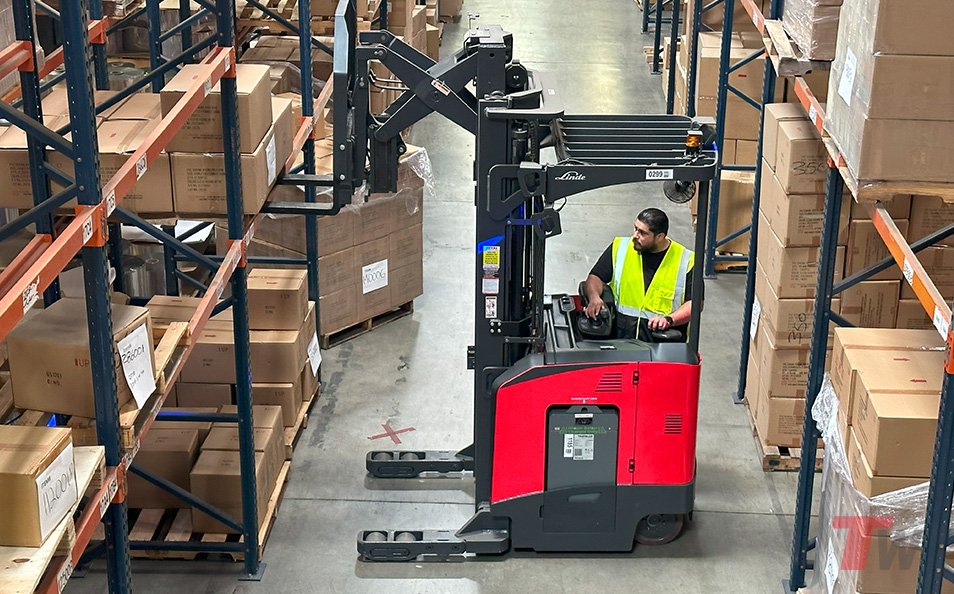
Reach trucks are designed for high stacking in narrow warehouse aisles. Equipped with extending forks, they allow operators to reach into storage racks without moving the base of the truck. This maximizes space utilization and allows warehouses to increase vertical storage capacity efficiently.
Highlight: Maximizes warehouse storage density with superior reach capability.
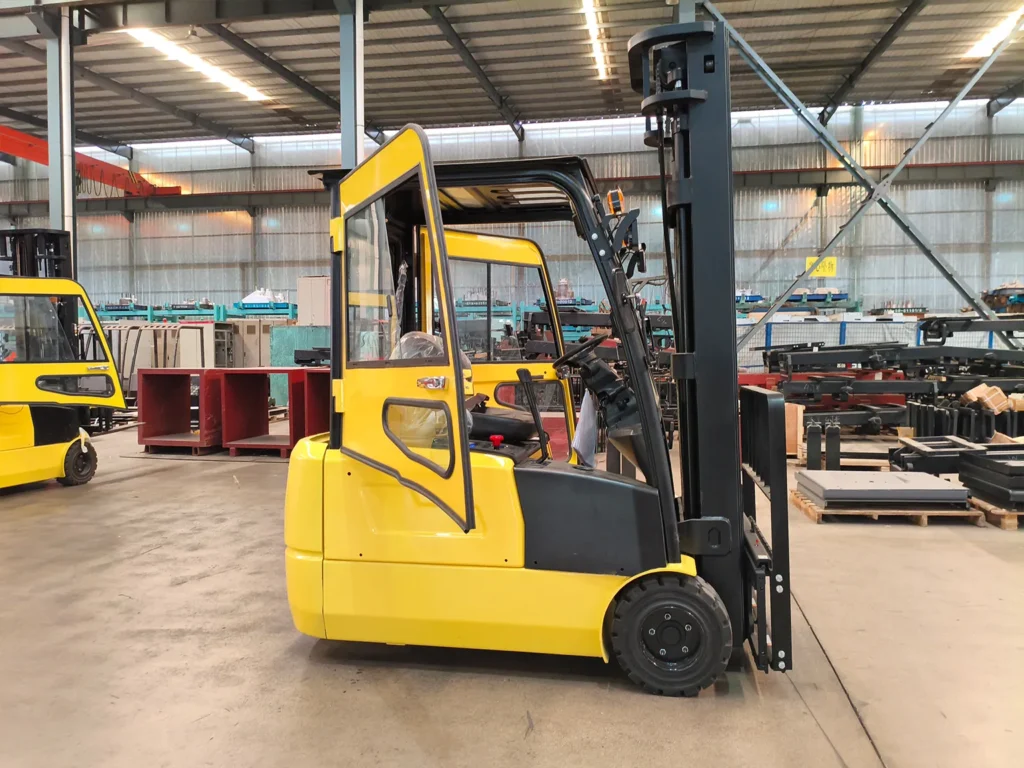
12. Electric Forklift
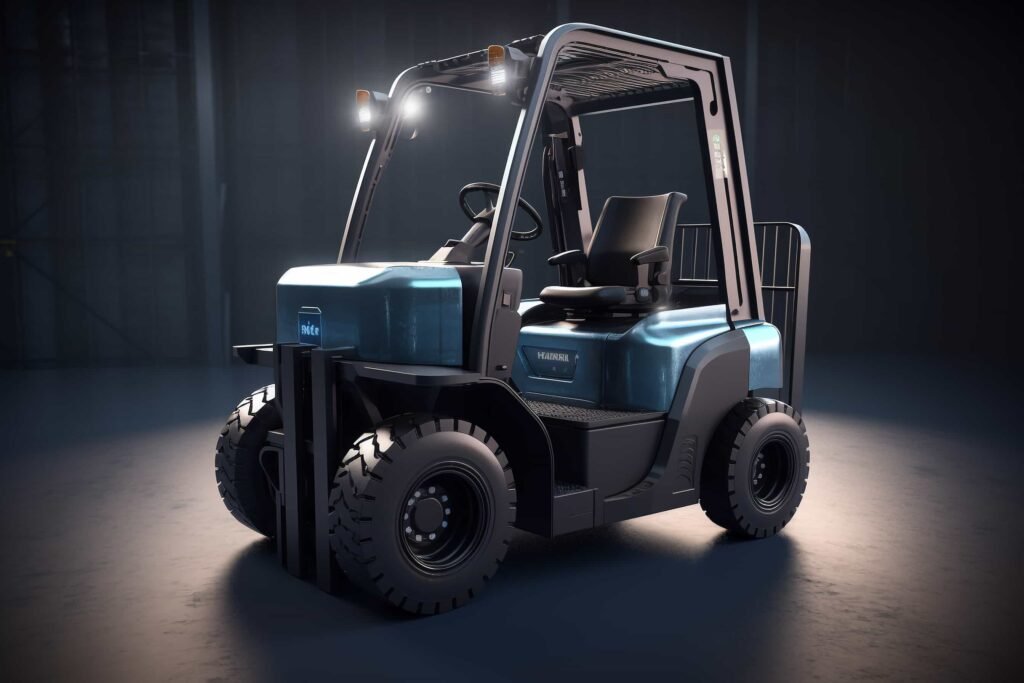
Electric forklifts run on battery power, offering clean, quiet operation with reduced maintenance and lower long-term costs. They are ideal for indoor use where air quality and noise control matter, such as in food processing, pharmaceuticals, and logistics. Their energy efficiency makes them a sustainable alternative to internal combustion models.
Highlight: Eco-friendly material handling with low operating costs.
Now that we’ve explored the 12 main types of forklifts and their specific applications, it’s important to understand how these machines are officially classified. Forklifts are divided into seven classes based on their power source, operating environment, and design features. These classifications help determine safety standards, operator training requirements, and the best equipment for your facility or job site.
7 Classifications of Forklifts
Class I – Electric Motor Riders
- Design: Sit-down, electric motor, counterweight for balance.
- Use: General indoor warehousing, pallets, and light-to-moderate loads.
- Pros: Zero emissions at the point of use, quiet, low maintenance.
Class II – Electric narrow-aisle/reach trucks
- Design: Shorter chassis with high maneuverability for tight aisles; often reach trucks or very narrow-aisle (VNA) models.
- Use: High-density storage, warehouses with narrow racking.
- Pros: Maximizes storage density; precise handling in confined spaces.
Class III – Electric hand/stander trucks
- Design: Operator stands or walks behind; controls at the tiller.
- Use: Short moves, loading/unloading, and light pallet handling.
- Pros: Simple operation; often compact and cost-effective.
Class IV – Cushion-tire Internal combustion (IC) forklifts
- Design: Sit-down, cushion tires; typically propane or diesel; smooth indoor floors and slightly rougher outdoor surfaces.
- Use: Indoor warehouses with smooth floors; light outdoor work.
- Pros: Higher load capacities; robust for mixed environments.
Class V – Pneumatic-tire Internal combustion (IC) forklifts
- Design: Sit-down with pneumatic tires; better outdoor capability and rough surfaces.
- Use: Outdoor yards, construction sites, rough floors.
- Pros: Heavier lifting capacities; versatile for varied terrain.
Class VI – Electric and Internal combustion tractors
- Design: Tow/cull trucks or “lugger” configurations used for towing or moving heavy loads rather than pure lifting.
- Use: Staging areas, shipping yards, large facilities needing towing capability.
- Pros: Good for moving materials over short distances.
Class VII – Rough terrain forklifts
- Design: Large flotation tires; typically diesel; air or outdoor environments.
- Use: Outdoor construction sites, lumber yards, uneven surfaces.
- Pros: Superior stability and traction on unpaved ground; high lift capacities for rough terrain.
How to Choose the Right Forklift
Selecting the right forklift goes beyond just lifting capacity—it’s about matching the equipment to your operating environment, load requirements, and productivity goals.
Start by considering where the forklift will be used: indoor facilities often require electric or warehouse forklifts, while outdoor and uneven surfaces call for rough-terrain models.
Load size and weight are equally important—long or heavy materials may need a telehandler or side loader, while standard pallets are best handled with a counterbalance or reach truck.
Finally, factor in operating costs, fuel type, maintenance requirements, and necessary lift height to ensure long-term efficiency and safety.
Key factors to consider:
- Load capacity and size – Choose a model that safely handles your heaviest materials.
- Operating environment – Indoor vs. outdoor, narrow aisles, smooth or rough terrain.
- Lift height requirements – Consider warehouse racking systems or elevated platforms.
- Fuel type and operating costs – Electric for clean indoor use, diesel or LPG for power and versatility.
- Frequency of use – High-volume operations may require automation-ready or high-efficiency models.
The right forklift improves safety, efficiency, and total cost of ownership—making it a strategic investment in your operation’s performance.
Frequently Asked Questions about Forklifts
1. How much does a forklift weigh?
A typical forklift weighs between 3,000 to over 50,000 pounds, depending on its type and capacity. Standard warehouse forklifts usually weigh around 4,000–9,000 pounds, while heavy-duty models used in construction and ports can exceed 30,000 pounds.
2. What is a forklift?
A forklift is an industrial vehicle used to lift, move, and transport materials over short distances. Equipped with forks or attachments, forklifts are essential for warehouse operations, construction sites, manufacturing, and logistics.
3. Can a forklift enter a 26 ft box truck?
Yes, a forklift can enter a 26-foot box truck, but only if the truck is rated for forklift loading and has a reinforced floor. The forklift’s size and weight must be compatible with the truck’s load capacity and ramp specifications.
4. Is a forklift a truck?
A forklift is classified as an industrial truck. While it is not a traditional road vehicle, it falls under powered industrial trucks used for material handling. It is specially designed for lifting rather than transportation over distances.
Final Words
Choosing the right forklift is essential for improving operational efficiency, safety, and long-term cost savings. With a wide range of forklift types and seven official classifications, businesses can select machinery tailored to their specific environment, load capacity, and workflow requirements.
Whether you operate in a warehouse, construction site, or logistics hub, understanding these differences ensures smarter investments and optimized performance. By selecting the appropriate forklift, you not only boost productivity but also enhance safety and reduce downtime—making it a critical decision for any material-handling operation.