People often search “skid loader vs loader” when they’re really trying to answer two questions: what does “loader” mean as a category, and when should they choose a skid steer (often called a skid loader) versus other compact loaders. In practice, a skid loader is one type of loader, and the best choice depends on steering style, wheels vs tracks, jobsite surface, travel distance, visibility needs, and daily production targets.
Quick answer: a skid loader is a type of loader
Loader is the umbrella term for machines designed to scoop, lift, carry, and load material using a front bucket or work tool. Under that umbrella, you’ll find skid steer loaders, compact track loaders, compact wheel loaders, larger wheel loaders, backhoe loaders, and more.
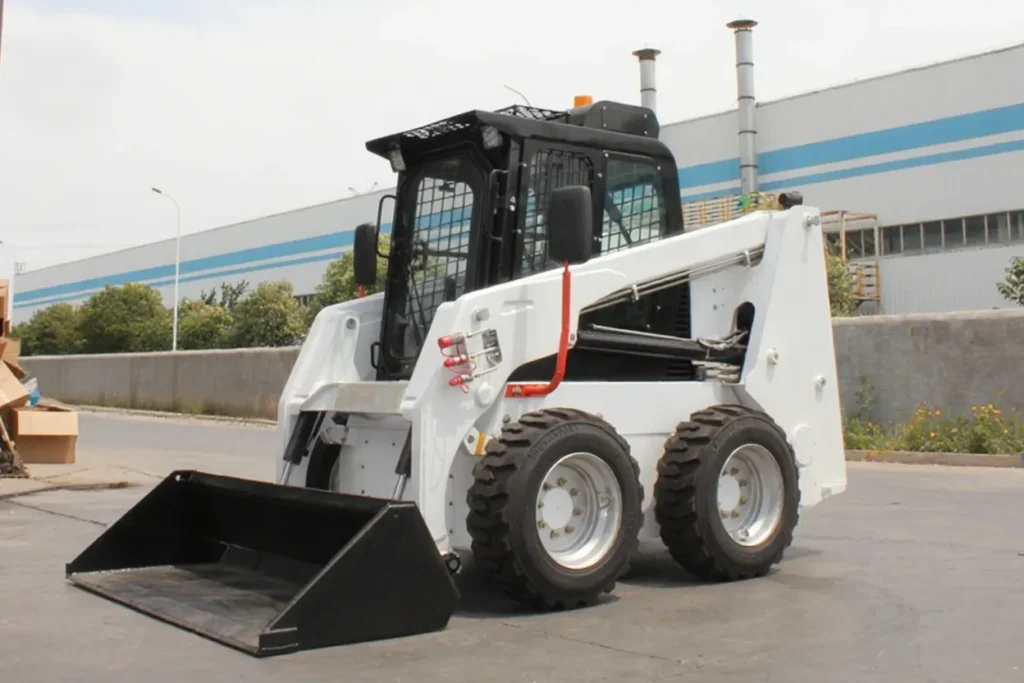
A skid loader is commonly used as shorthand for a skid steer loader. The “skid” part comes from how it turns: the machine changes direction by driving the left and right sides at different speeds, which creates a skidding motion during the turn.

Terminology that causes confusion
Skid loader vs skid steer loader
In many markets, “skid loader” and “skid steer loader” are used interchangeably. The search intent is usually the same: a compact, rigid-frame loader that can turn within its own footprint (or close to it) by controlling left and right drive independently.
Loader types people usually compare to skid steers
When people ask “skid loader vs loader,” they typically mean “skid steer vs other compact loader types,” especially:
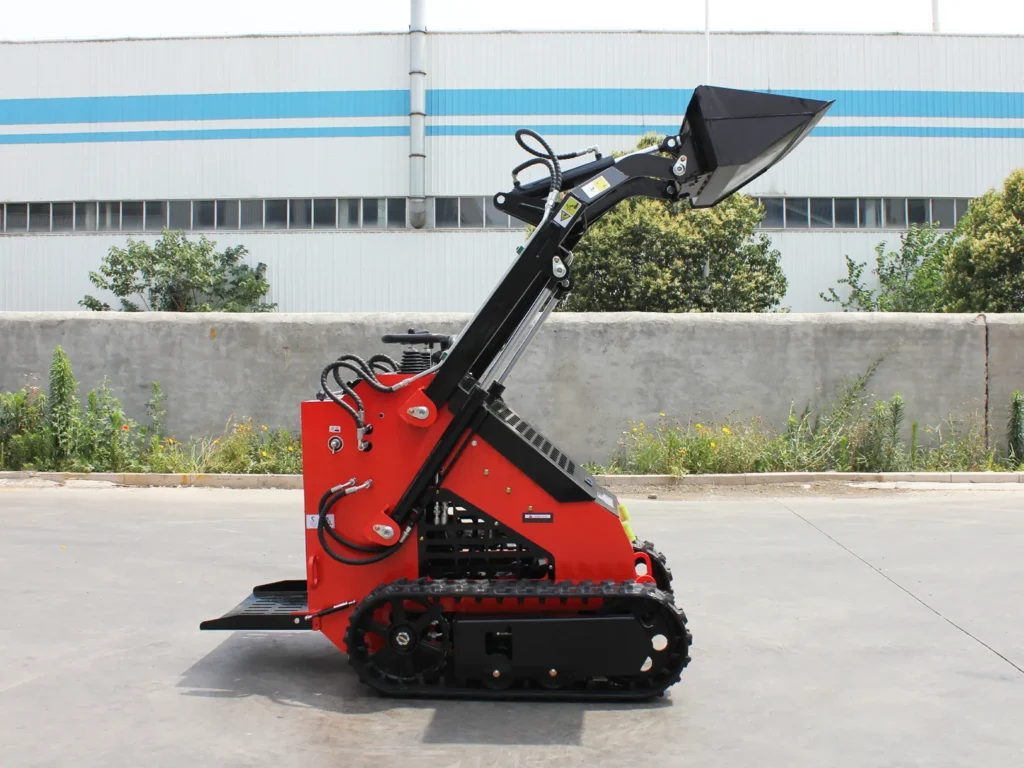
- Compact Track Loader (CTL): skid-steer-like machine, but on tracks instead of wheels.
- Compact Wheel Loader (CWL): compact loader on wheels that turns via articulated steering (a pivoting joint), not skid steering.

Steering mechanism: skid steering vs articulated steering
How a skid steer turns
Skid steers (skid loaders) turn by differentially driving the left and right sides. Push both sides forward to go straight; drive one side forward while the other slows or reverses to pivot. That’s why skid steers can rotate in very tight spaces, but also why they can scuff finished surfaces and accelerate tire wear on abrasive ground.
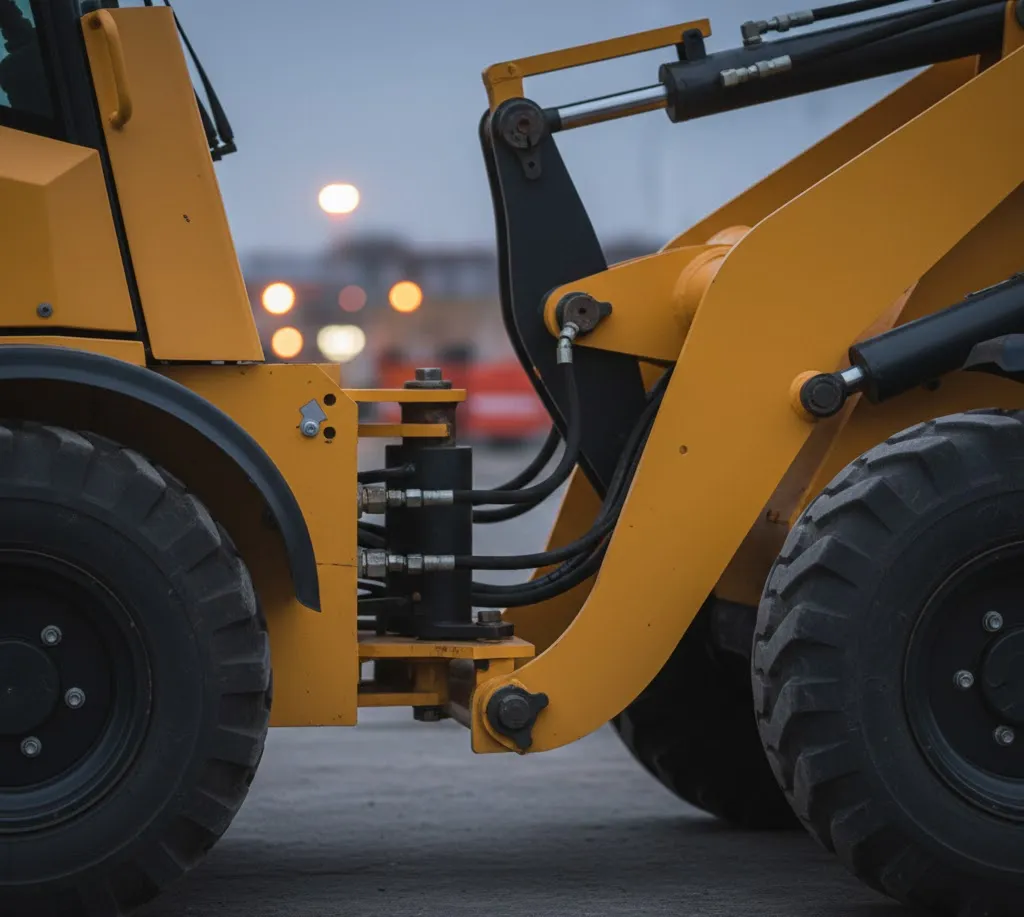
How a compact wheel loader turns
A compact wheel loader typically uses an articulated frame: the machine bends at a central pivot joint. That steering style tends to be smoother, creates less surface disturbance, and often reduces tire scrub compared to skid steering.
Wheels vs tracks: traction, flotation, and surface protection
Why tracks help on soft ground
A compact track loader spreads the machine’s weight over a larger contact patch, which reduces ground pressure and helps the loader “float” over mud, snow, and loose soil instead of digging in.
Many CTLs use rubber tracks, which can be gentler on sensitive surfaces like turf or fresh work areas (while still providing strong traction).
When wheels are the better tool
Wheels usually win on:
- Hard, finished surfaces where you want faster travel and simpler undercarriage maintenance
- Dry, firm ground where flotation isn’t a constraint
- Operations where cost and simplicity matter more than maximum traction

Size, turning radius, and jobsite access
Skid steers and compact track loaders are often selected for one dominant reason: access. Their compact bodies and skid steering allow very small turning radii, which matters in backyards, alleys, interior demolition, and narrow construction corridors.
Compact wheel loaders are frequently slightly larger in footprint, and their turning radius is typically larger than skid-steer-style machines. The trade-off is smoother motion and often better carrying behavior when shuttling material.

Speed and travel distance between work zones
If your workflow includes traveling farther with each load, travel speed becomes a productivity multiplier.
Compact wheel loaders often have drivetrains designed for higher travel speeds, making them efficient when moving materials over longer distances or between nearby sites.
By comparison, skid steers and many compact track loaders are generally less appealing for longer travel runs due to their typical speed limits (and, on skid steers, tire scrub during turning).

Visibility and operator position
Visibility is not a comfort detail; it is a safety and efficiency factor.
Skid steers and compact track loaders position the operator within the machine and run the loader arms alongside the cab, which can reduce side visibility. Rear visibility is also commonly impacted because the engine sits behind the operator.
Compact wheel loaders typically seat the operator higher and have fewer components blocking sightlines, which can help in busy public areas or when working around pedestrians and vehicles.

Capacity and hauling efficiency
Capacity is where “loader vs skid loader” decisions become very economic, very fast.
Skid steers and compact track loaders commonly operate with bucket sizes around about 1 cubic yard at the upper end of many compact configurations, while compact wheel loaders can run larger buckets, sometimes reaching multiple cubic yards depending on class.
The practical implication is straightforward: if you are loading trucks all day and each scoop matters, bucket size and travel speed together can favor a compact wheel loader. If your job is constrained by access and maneuvering rather than bucket volume, a skid loader can still outperform in real-world cycle time.

Cost, fuel, and wear: what changes ownership economics
Purchase price and drivetrain complexity
Compact wheel loaders often cost more upfront, in part because articulated steering and associated driveline components are more complex than the skid-steer-style approach.
Fuel and tire/track wear
Skid steers and compact track loaders are commonly operated at higher throttle, partly due to the power demands of skid steering, which can reduce fuel efficiency versus wheel loaders in some duty cycles.
Articulated steering can also be easier on tires because it avoids the same degree of scrubbing that occurs during skid-steer turns.

Comfort and safety features that matter in real operations
Across modern compact equipment, comfort and safety have become key differentiators:
- Some models offer cab pressurization and filtration to keep dust out and improve operator comfort in harsh environments.
- Standard jobsite safety expectations often include backup alarms and work lights, especially when operating in congested zones.
These features don’t change what the machine is, but they change how long an operator can remain productive and how safely crews can work around the loader.

Applications overlap, but the best loader changes by site conditions
Many tasks overlap across skid steers, CTLs, and compact wheel loaders: hauling dirt/sand/gravel, loading trucks, snow clearing, pallet handling, stump grinding, and more.
The difference is how efficiently and safely each machine does those tasks under your conditions:
- Tight access and frequent direction changes: skid loader (skid steer) often wins due to turning agility.
- Soft ground, slopes, mud, snow: compact track loader often wins due to lower ground pressure and better flotation.
- Longer travel runs and larger material moves per pass: compact wheel loader often wins due to speed and bucket capacity potential.

Buyer checklist: decide in 5 minutes
If you’re choosing between a skid loader and another loader type, walk through this checklist:
- Access constraints: narrow gates, interior doorways, or crowded areas favor skid loader/CTL.
- Surface type: soft ground favors tracks; finished pavement favors wheels.
- Travel distance per load: long runs favor a wheel loader’s speed advantage.
- Daily production target: if truck loading dominates the day, bucket size and carry behavior matter more.
- Visibility risk level: public areas and pedestrian traffic favor higher, clearer sightlines.
- Wear budget: skid steering can increase tire/track wear; track undercarriages are typically more involved to service.
- Attachments: all three can run many tools, but confirm hydraulic flow and coupler compatibility for your top attachments.
FAQ
Is a skid loader the same as a skid steer loader?
In most buying contexts, yes. “Skid loader” is commonly used as shorthand for “skid steer loader.”
Will skid steering damage turf or finished surfaces?
It can. Skid steering relies on tire/track slip in turns, which can scuff delicate surfaces. If surface preservation is critical, consider tracks or an articulated wheel loader depending on conditions.
Should I choose tracks if I work in wet climates?
Often yes. Tracks reduce ground pressure and help maintain traction on soft ground, reducing the chance of getting bogged down.
When does a compact wheel loader outperform a skid loader?
When you need higher travel speed, smoother carry, and larger bucket potential over longer distances, especially for repetitive loading and hauling.
Torchuck-ready brand segue
If your priority is tight access + fast attachment changes, a skid steer loader is usually the most direct answer to the “skid loader vs loader” question. Torchuck supports global buyers with factory-direct supply, product documentation, and dealer enablement programs designed to speed up go-to-market while protecting channel margins.